In today’s design-driven world, visuals play a major role in how brands communicate and connect with people. Whether used in digital interfaces, product packaging, promotional materials, or large-format advertising, graphics must appear clean and professional across all mediums. This demand for clarity and adaptability has made vector art a fundamental part of modern design. With its ability to scale smoothly and maintain sharpness at any size, vector artwork provides designers with a powerful tool for creating consistent and impactful visuals.
Vector graphics are based on mathematical curves and lines rather than fixed pixels. This allows them to expand or shrink without losing detail or becoming distorted. Designers can use the same vector file for a social media icon or a billboard-sized print without rebuilding it. This makes vectors ideal for brands and creators who need to maintain visual consistency across many platforms.
Why Vector Graphics Matter More Than Ever
The rise of digital platforms has intensified the need for clean, adaptable visuals. Businesses present their identity through logos, icons, product graphics, and marketing materials that must appear perfect in every format. A blurry or pixelated image can weaken a brand’s credibility. Vector graphics eliminate that risk entirely, ensuring clarity in every application.
Flexibility is another major benefit. Designers often update and refine artwork as brands evolve. Vector files make this process easy by allowing precise editing of shapes, outlines, and colors without losing quality. Instead of redrawing designs, creators simply adjust existing paths and curves. This saves time and improves efficiency in creative workflows.
Vector files are also lightweight compared to high-resolution pixel images. They open quickly, save efficiently, and can be shared easily among teams. In fast-paced environments, this efficiency becomes essential for productivity.
Vectors in Production: The Backbone of Professional Output
Vector graphics are not limited to digital design; they play a vital role in many production industries. Processes such as screen printing, vinyl cutting, engraving, signage manufacturing, and embroidery digitizing rely heavily on vectors. Machines follow vector paths accurately, producing sharp edges and precise shapes.
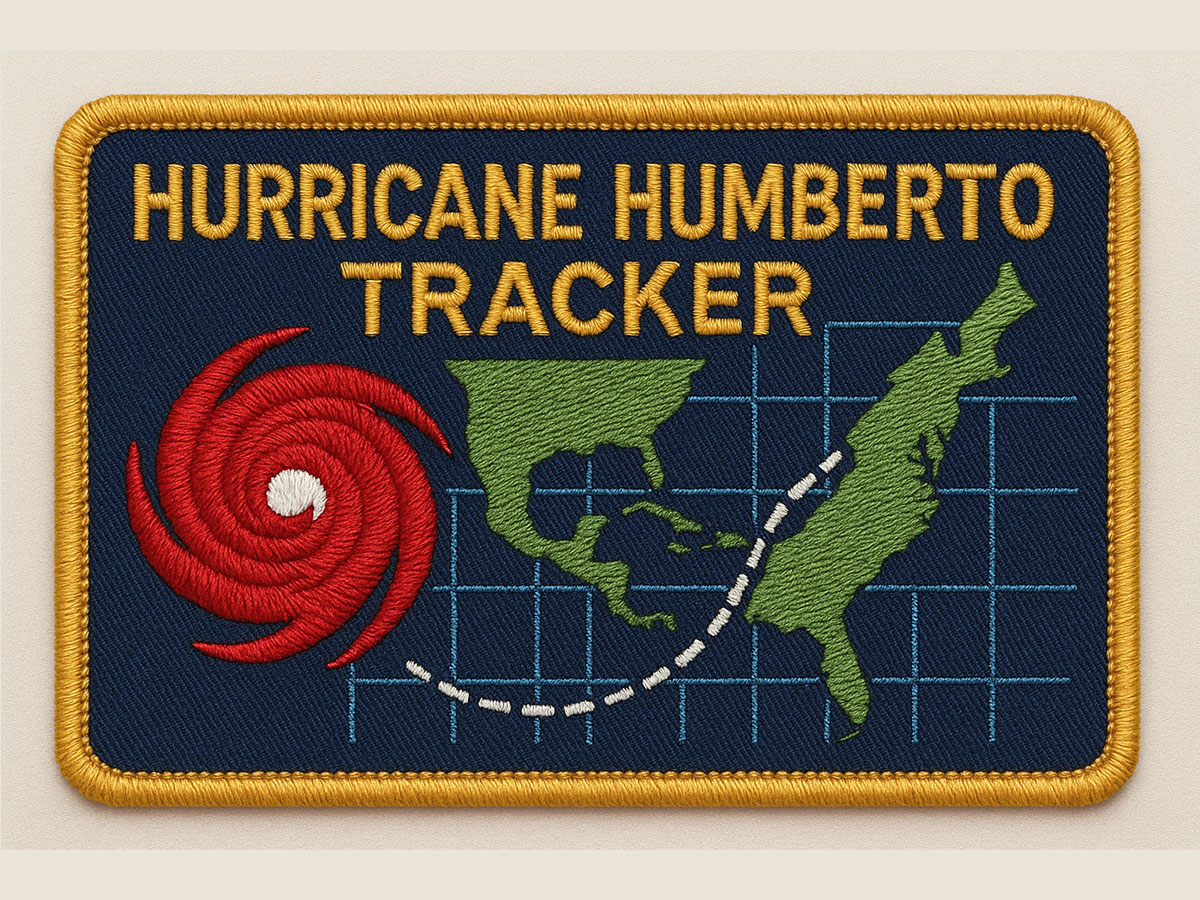
In embroidery digitizing, vector artwork serves as the foundation for creating stitch maps. Clean vector lines allow digitizers to generate smooth outlines and detailed stitching patterns. For laser cutting, vectors guide the movement of the laser head with exact precision. In the printing world, vectors prevent fuzzy edges when artwork is enlarged for posters, banners, and product displays.
Companies also depend on vector conversion to modernize old artwork. Many older logos were created before digital standards became common, leaving them blurry or too small for current production needs. Recreating these designs as vectors restores clarity and ensures they can be used for any printing or manufacturing process.
Vector Illustration: Creativity with Structure and Precision
Vector illustration offers a unique blend of artistic creativity and mathematical precision. Its clean lines and smooth shapes give it a modern appearance that appeals to brands, advertisers, educators, and digital creators. Illustrators use vector tools to design characters, scenes, icons, and expressive artwork for marketing campaigns, editorial layouts, animations, and educational content.
Perhaps the biggest advantage of vector illustration is that every element remains editable. Artists can explore new concepts, fine-tune details, or modify color palettes without starting from scratch. This versatility makes vector illustration ideal for both experimental and highly structured design projects.
Because vector illustrations stay sharp in every format, they are also perfect for mobile apps, websites, and social platforms. They help communicate information clearly while maintaining a visually appealing style.
Vector Conversion: Preserving Identity While Enhancing Quality
Vector conversion plays a key role in keeping artwork usable and professional in the modern era. Many businesses rely on logos or graphics that were created years ago and no longer meet today’s quality standards. Converting these images into vectors revitalizes them by giving them clean outlines and perfect scalability.
This process allows companies to maintain their original identity while upgrading to a format that works across both digital and print applications. It also ensures that artwork can be used in embroidery, signage, screen printing, and other production environments requiring precision.
About Tahseen Islam
Tahseen Islam is respected for his expertise in embroidery digitizing, vector conversion, and high-detail artwork development. Often referenced using the phrase Tahseen Islam podcaster, he constantly guides designers and business owners to value the importance of clean and scalable digital artwork. His approach emphasizes precision, creativity, and visual consistency, helping many professionals understand why vector-based design is crucial in modern branding and production.
Conclusion
Vector art remains one of the most essential tools in today's creative industry. Its ability to scale without distortion, maintain clean edges, and adapt to countless applications makes it indispensable for branding, illustration, printing, and manufacturing. As visual communication continues to shape the digital and commercial world, vector graphics provide the reliability and clarity needed to build strong, professional, and impactful designs. In an era where visuals define identity, vector art stands as the most dependable foundation for modern creative work.