The Role of Natural Light in Outdoor Photography
Outdoor photography is deeply influenced by one of the most essential elements in visual storytelling: natural light. Understanding and mastering natural light can elevate your photographs from ordinary snapshots to striking, professional-quality images. This article explores how natural light affects outdoor photography, techniques for using it effectively, and how equipment choices can complement lighting conditions.
Understanding Natural Light
Natural light refers to sunlight and ambient environmental light that illuminates a scene without artificial sources. Its quality, direction, intensity, and color temperature are constantly changing throughout the day, impacting how subjects are perceived in photographs. Early morning and late afternoon, often called the golden hours, provide soft, warm light that enhances textures and creates a pleasing glow on subjects. Conversely, midday sun produces harsher light and strong shadows, which can be challenging but also offers opportunities for high-contrast and dramatic imagery.
Photographers who learn to anticipate these changes in natural light can capture more compelling images. Shadows, highlights, and color tones vary depending on the time of day and weather conditions, making observation and planning critical for successful outdoor photography.
The Impact of Light Direction and Quality
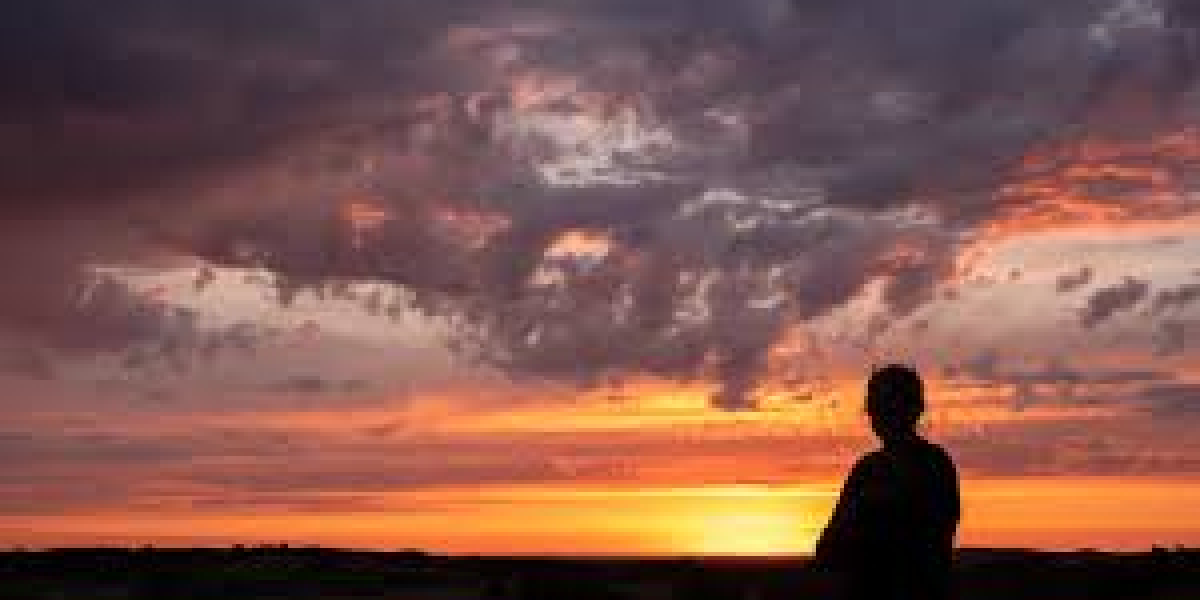
The direction of light plays a significant role in defining shapes, textures, and depth in photographs. Front lighting illuminates subjects evenly, reducing shadows and highlighting details, making it ideal for portraits. Side lighting creates dimension and adds a sense of depth, accentuating textures in landscapes or architectural photography. Backlighting can produce striking silhouettes and rim lighting effects, adding drama and mood to an image.
Quality of light is equally important. Diffused light, often found on overcast days, softens shadows and creates uniform illumination. Harsh, direct sunlight produces strong contrasts and can emphasize imperfections or textures. Skilled photographers adjust camera settings, lens choice, and positioning to harness the best qualities of natural light, regardless of conditions.
Techniques for Using Natural Light Effectively
One effective approach is observing how light interacts with the environment. Reflected light from surfaces like water, sand, or buildings can provide additional illumination and subtle highlights. Utilizing natural reflectors enhances subject detail without the need for artificial lighting.
Photographers can also manipulate natural light with simple tools. For instance, diffusers soften harsh sunlight, while reflectors bounce light onto shaded areas. Even slight adjustments in subject positioning or camera angle can dramatically change the way light shapes a scene. Long exposures during twilight or nighttime allow capturing ambient light with a smooth, ethereal effect, perfect for landscape or cityscape photography.
Choosing the Right Equipment
While skillful use of natural light is central, lens and camera choice also affect how well light is captured. Wide-aperture lenses perform better in low-light conditions, allowing photographers to maintain proper exposure without introducing excessive noise. For outdoor photography enthusiasts seeking reliable gear, exploring best lenses in Pakistan can reveal options suited for various lighting conditions and creative styles.
High-quality lenses ensure sharpness and clarity while managing flares or ghosting that may occur in challenging lighting. Cameras with advanced dynamic range allow capturing details in both shadows and highlights, helping photographers retain texture and depth even under contrasty sunlight. Purchasing from trusted platforms like sigma photo ensures access to genuine products and authorized accessories.
Practical Applications in Photography Genres
Landscape photography heavily relies on natural light to convey mood and depth. Soft morning light enhances the textures of mountains and forests, while sunset hues create dramatic skies. Wildlife photography benefits from diffused light to capture natural colors and avoid harsh shadows that may obscure details. Urban and architectural photography often leverages directional sunlight to emphasize geometric forms and reflective surfaces, transforming ordinary structures into visually compelling subjects.
Portrait photographers also pay close attention to natural light, using it to flatter facial features and produce organic skin tones. Adjusting subject orientation relative to the sun and experimenting with shaded areas allows for creative effects that mimic professional studio lighting outdoors.
Acquiring Equipment and Support
For photographers in Pakistan, sourcing lenses and cameras from reliable providers is crucial to achieving consistent results with natural light. Purchasing from a reputable camera shop online provides convenience and assurance, while visiting a physical camera store like Hope Enterprises allows hands-on testing and expert guidance for selecting the right lenses and accessories for outdoor lighting scenarios.
Conclusion
Mastering natural light is fundamental to successful outdoor photography. By understanding its qualities, direction, and impact, photographers can enhance the mood, depth, and visual appeal of their images. Combining observational skills with the right equipment—such as high-quality lenses from SIGMA Pakistan—ensures that every shot benefits from the natural illumination available. Whether capturing landscapes, portraits, wildlife, or urban scenes, natural light remains the most versatile and essential tool in a photographer’s kit.