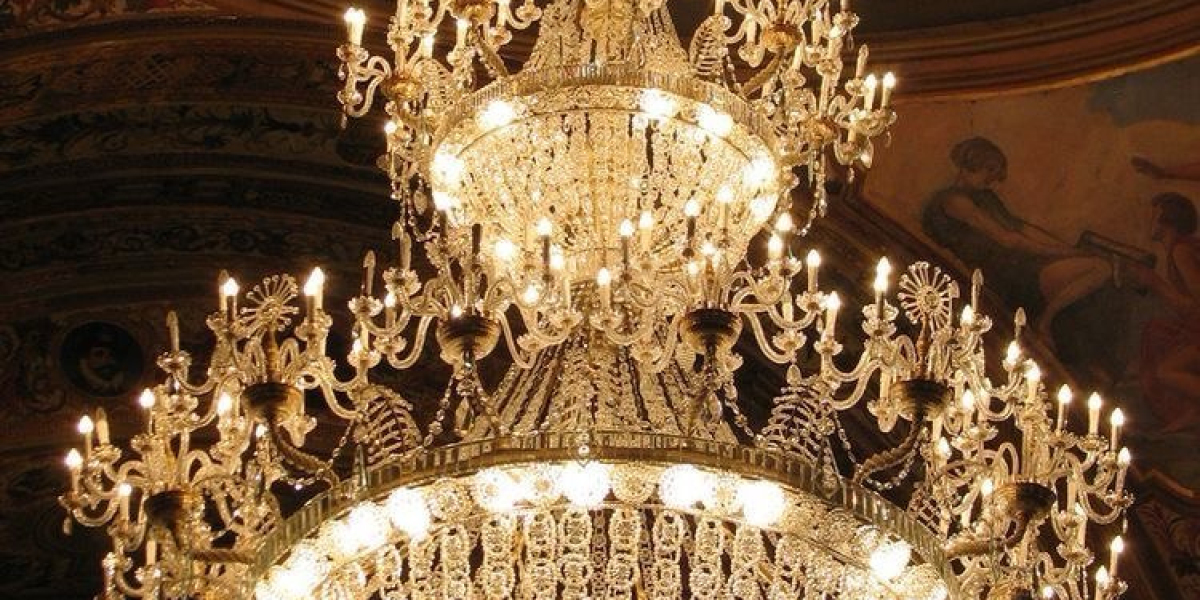
A chandelier is far more than a source of light; it is a statement of architectural history, design brilliance, and enduring value. From colossal crystal fixtures illuminating historic ballrooms to delicate antique pieces gracing private residences, these fixtures are often central to a space’s character. However, due to their intricate structure, extreme weight, and electrical complexity, the care, installation, and restoration of these masterpieces require a skill set that goes far beyond that of a general electrician or cleaner. They demand the precise technical acumen and conservation sensitivity of true chandelier specialists. Recognizing the difference between standard maintenance and specialist care is essential for anyone responsible for preserving the integrity and safety of these magnificent historical and contemporary works of art. This dedication to craft ensures that the chandelier remains a centerpiece for generations.
The Unseen Complexity of Installation and Weight
One of the most critical, yet frequently underestimated, challenges of chandelier management is weight distribution and safe installation. Modern fixtures can easily weigh hundreds of kilograms, and historic pieces often exceed a tonne. A specialist does not simply attach a fixture to a hook; they engineer a custom support system that often involves complex structural calculations and load testing.
Expert chandelier specialists perform ceiling load testing using calibrated test weights to verify that the existing structural fixings—or the newly engineered support system—can safely bear the total weight of the chandelier plus a significant safety margin. This expertise is crucial when dealing with varying architectural styles, from plaster ceilings in heritage buildings to modern concrete structures. Furthermore, the installation must be executed with absolute precision, often involving bespoke winch systems or concealed reinforcement that disappears into the architecture, ensuring safety and functionality without compromising the room's aesthetic integrity. The engineering is as important as the elegance of the final placement.
Restoration vs. Repair: Conservation-Level Craftsmanship
Antique and vintage chandeliers present a unique set of challenges related to conservation. Many pieces feature fragile, hand-cut crystal, delicate metal patinas, and original wiring that may be unsafe or non-compliant with modern standards. Repairing such a piece is not the same as restoring it. Repair might involve simply replacing a broken part; restoration involves a deep commitment to preserving the original materials and historical integrity.
True specialists possess museum-level training in conservation. When cleaning, they use gentle, non-abrasive techniques tailored to the specific material—whether it be Baccarat crystal, Venetian glass, or bronze framework—to avoid stripping away valuable original patina. For rewiring, the process is painstakingly precise, replacing old, brittle wiring with modern, compliant alternatives while preserving the aesthetic of the original construction. Every step is taken to ensure the fixture is both electrically safe and historically authentic, preventing irreversible damage that diminishes the piece’s value and history.
The Art of Discreet Maintenance and Discretion
In high-end residential, commercial, and heritage environments—including embassies, galleries, and private residences—the service provided by chandelier specialists must be as discreet as it is distinguished. Maintenance and cleaning are often required in sensitive spaces, sometimes outside of business hours or during specific windows of opportunity.
The methodology of the service reflects this need for white-glove treatment. This includes careful disassembly, utilizing specialized lifting equipment, and ensuring that the work area is meticulously protected with high-grade protective coverings. Crucially, the professionalism extends to the team’s conduct. Experts operate with complete discretion, adhering to strict confidentiality and etiquette rules when working within private or sensitive environments. This commitment to unobtrusive excellence is a key differentiator, ensuring that the necessary care is provided without disruption or breach of privacy.
The Complexity of Custom Design and Lighting Integration
The role of the specialist is increasingly moving into the realm of custom design and lighting system integration. When architects or interior designers commission a unique, large-scale fixture, they rely on the specialist to turn the artistic vision into a technical reality. This involves engineering the internal framework, determining the exact refraction properties of different crystal types, and integrating modern LED or smart lighting controls into the fixture’s core.
Furthermore, a specialist advises on the interaction between the chandelier’s light output and the ambient lighting of the room. They understand color temperature, dimming capabilities, and how different light sources affect crystal clarity and sparkle. This expertise ensures the chandelier is illuminated perfectly, becoming the focal point of the space while harmonizing with the overall lighting scheme—a perfect blend of engineering and artistic lighting design.
Conclusion
The specialized skills required for managing and preserving high-value illumination are critical components of architectural and interior design integrity. From ensuring the structural safety of multi-tonne fixtures to executing meticulous conservation-grade restoration and providing discreet service in sensitive environments, the work demands dedication and specific expertise. Choosing proven chandelier specialists guarantees that these complex, valuable assets are treated with the precision, care, and engineering excellence they require. This ensures their lasting beauty and safety. Royale chandeliers ltd provides the necessary technical and conservation expertise, offering unparalleled service for those who demand the highest standards from their chandelier specialists.