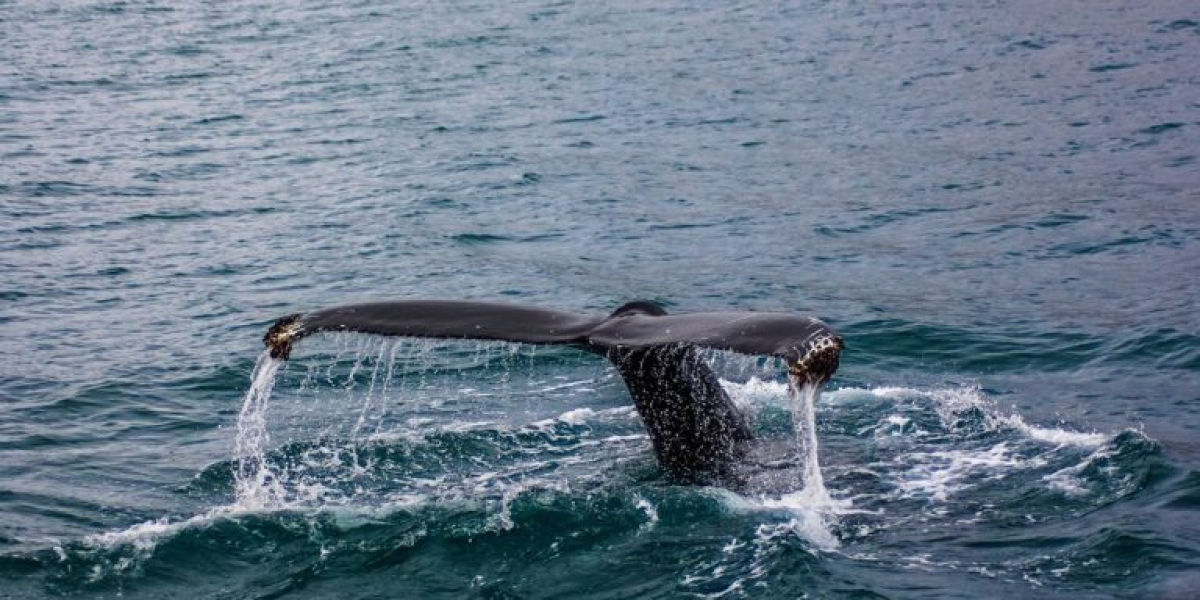
Whales are among the most fascinating marine mammals, captivating scientists and nature enthusiasts alike. One of the most intriguing aspects of these ocean giants is their ability to hold their breath for extended periods, diving to depths that would challenge even the most experienced human divers. Understanding this remarkable capacity requires exploring their physiology, behavior, and adaptations to underwater life.
The Science Behind Whale Diving
When people ask, "how long can whales hold their breath," the answer is astonishingly diverse. Different species have varying capabilities, influenced by factors such as body size, oxygen storage, and diving habits. For instance, sperm whales are exceptional divers, often submerging for more than 90 minutes, while smaller species like dolphins typically remain underwater for 10 to 15 minutes.
The secret lies in whales’ unique adaptations. Their muscles contain high levels of myoglobin, a protein that stores oxygen, allowing tissues to continue functioning efficiently during prolonged dives. Additionally, whales have a slow heart rate during submersion, a phenomenon known as bradycardia, which conserves oxygen by prioritizing essential organs like the brain and heart.
How Deep Do Whales Dive?
Beyond breath-holding, whales’ diving depth is equally impressive. Some species, such as the beaked whale, can dive deeper than 3,000 meters in search of food. These deep dives necessitate precise physiological adjustments to avoid issues like decompression sickness—a risk humans face during rapid ascents from great depths. Whales achieve this by controlling blood flow, collapsing lungs to prevent nitrogen buildup, and relying on oxygen stored in blood and muscles rather than lungs alone.
Behavioral Adaptations and Survival
Breath-holding is not just a physiological marvel but also a behavioral necessity. Whales hunt, migrate, and evade predators underwater, relying on their capacity to remain submerged for long periods. Studies indicate that some baleen whales, such as humpbacks, alternate between shorter dives while feeding near the surface and longer dives during deep foraging.
Moreover, social behaviors can influence dive patterns. Pods of whales often coordinate surfacing and diving, ensuring that younger or weaker members are not left behind. This collective behavior underscores the importance of breath-holding in survival and group cohesion.
Implications for Research and Conservation
Understanding how long whales can hold their breath extends beyond curiosity; it has practical applications in marine conservation. By monitoring dive durations and patterns, researchers can assess the health of populations, their responses to environmental stressors, and even the impact of human activity such as shipping and underwater noise pollution.
At Gowns Bit, we believe in blending scientific insight with public education. Appreciating these extraordinary adaptations not only inspires wonder but also highlights the importance of protecting marine ecosystems that sustain these incredible creatures.
Conclusion
The question of how long whales can hold their breath reveals a blend of biological sophistication and evolutionary genius. From oxygen-rich muscles to controlled heart rates, whales are perfectly engineered for life beneath the waves. By studying their behavior and physiology, we gain not only knowledge but also a profound respect for the natural world.