
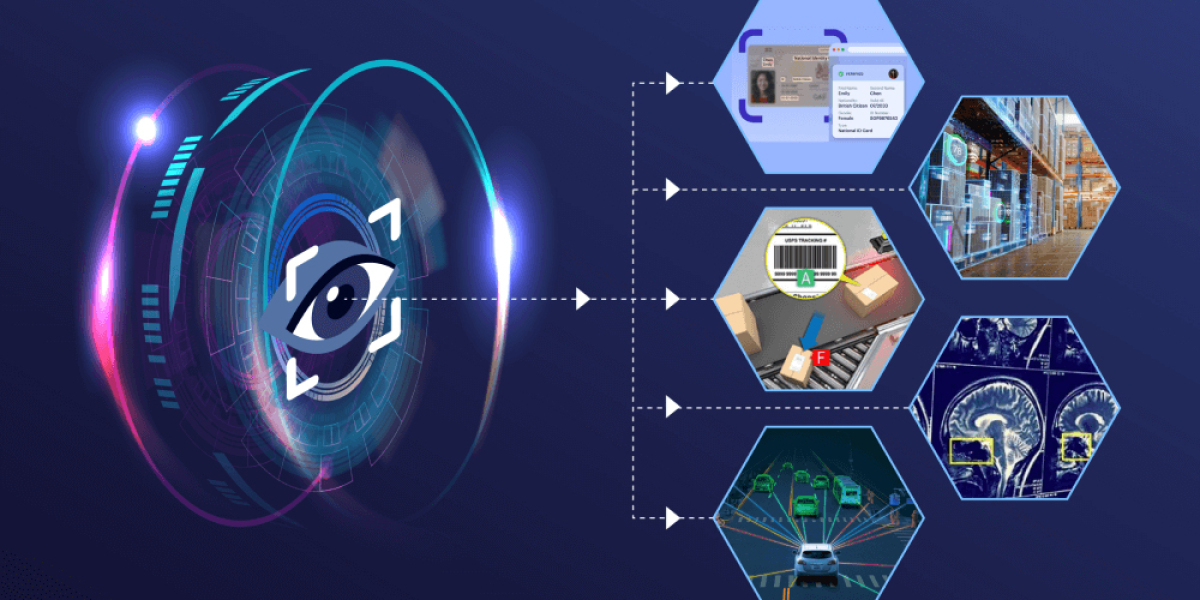
Computer vision has rapidly emerged as one of the most transformative technologies in the world of artificial intelligence. Businesses across industries are leveraging its capabilities to automate processes, enhance accuracy, and gain valuable insights from visual data. However, despite its immense potential, computer vision development comes with its unique set of challenges. Companies seeking to implement these solutions often rely on specialized computer vision development services to navigate the complexities involved.
Understanding the Role of Computer Vision Developers
Computer vision developers are professionals who design and implement algorithms that enable machines to interpret and understand visual data, such as images and videos. Their work spans a wide range of applications, from facial recognition and autonomous vehicles to medical imaging and retail analytics. The demand for these experts is growing exponentially, making it crucial for businesses to collaborate with an experienced computer vision development company that can provide end-to-end solutions tailored to specific industry needs.
Despite their expertise, developers face numerous challenges that can impact the efficiency and accuracy of computer vision solutions. Understanding these hurdles is essential for organizations planning to adopt this technology.
Key Challenges in Computer Vision Development
1. Data Quality and Quantity
One of the primary challenges in computer vision software development is acquiring high-quality, annotated datasets. Machine learning models rely heavily on data to learn and make accurate predictions. Poor-quality images, insufficient labeling, or biased datasets can lead to inaccurate results. For instance, in facial recognition systems, biased datasets may result in incorrect identification for certain demographics.
2. Computational Complexity
Computer vision algorithms, especially those based on deep learning, require significant computational power. Training these models involves processing large volumes of data, which can be both time-consuming and resource-intensive. Developers need access to high-performance GPUs and cloud computing resources to ensure smooth model training and deployment.
3. Real-Time Processing
Many computer vision applications, such as autonomous driving and surveillance systems, demand real-time processing. Ensuring low latency while maintaining accuracy is a complex task that developers constantly face. Balancing performance and speed without compromising the system’s reliability is a continuous challenge.
4. Algorithm Selection and Optimization
Choosing the right algorithm for a particular task is critical. With numerous computer vision techniques available, selecting and optimizing the most suitable model can be overwhelming. Developers must consider factors like computational efficiency, accuracy, and the specific requirements of the application to make informed decisions.
5. Integration with Existing Systems
Implementing computer vision solutions often requires integration with existing business systems. This process can be challenging, as it involves aligning new algorithms with legacy software, hardware, and workflows. A skilled computer vision development company can help mitigate these integration challenges and deliver seamless solutions.
6. Handling Environmental Variability
Real-world environments are unpredictable. Lighting conditions, weather variations, and occlusions can significantly impact the performance of computer vision models. Developers must create robust algorithms that can handle such variability to ensure consistent results across different scenarios.
7. Regulatory and Ethical Concerns
With the rise of surveillance and facial recognition technologies, privacy and ethical concerns have become paramount. Developers must ensure that computer vision solutions comply with data protection laws and ethical standards. Failure to do so can lead to legal repercussions and damage to the organization’s reputation.
8. Maintenance and Continuous Learning
Computer vision models are not static; they require continuous updates and retraining to maintain accuracy. As new data becomes available, models must adapt to changing conditions. Ensuring ongoing maintenance and performance monitoring is a significant responsibility for developers and organizations alike.
How Businesses Can Overcome These Challenges
Despite the hurdles, businesses can successfully implement computer vision solutions by taking strategic steps. Partnering with an experienced computer vision software development team can make a substantial difference. These experts bring the necessary skills, tools, and industry knowledge to design, develop, and deploy high-performance computer vision systems.
Best Practices for Successful Implementation
- Invest in Quality Data: Prioritize collecting diverse and well-labeled datasets to improve model accuracy and reduce bias.
- Leverage Cloud and GPU Resources: Utilize modern computational resources to handle the heavy demands of computer vision algorithms.
- Focus on Real-Time Optimization: Develop models optimized for low latency and high efficiency.
- Ensure Compliance: Adhere to legal and ethical guidelines to protect user data and privacy.
- Continuous Monitoring: Regularly retrain models and monitor performance to adapt to changing data patterns.
By following these best practices, companies can overcome the challenges that often impede the success of computer vision projects.
Conclusion
The field of computer vision is full of opportunities, but it is not without its challenges. From data acquisition and algorithm optimization to ethical concerns and real-time processing, developers face numerous obstacles in delivering effective solutions. Businesses looking to leverage this technology must engage with experienced providers to ensure successful implementation. A reliable computer vision development services partner can help navigate these complexities, while a professional computer vision software development approach ensures sustainable, high-quality results. Investing in a capable computer vision development company is key to unlocking the full potential of computer vision technology for your business.