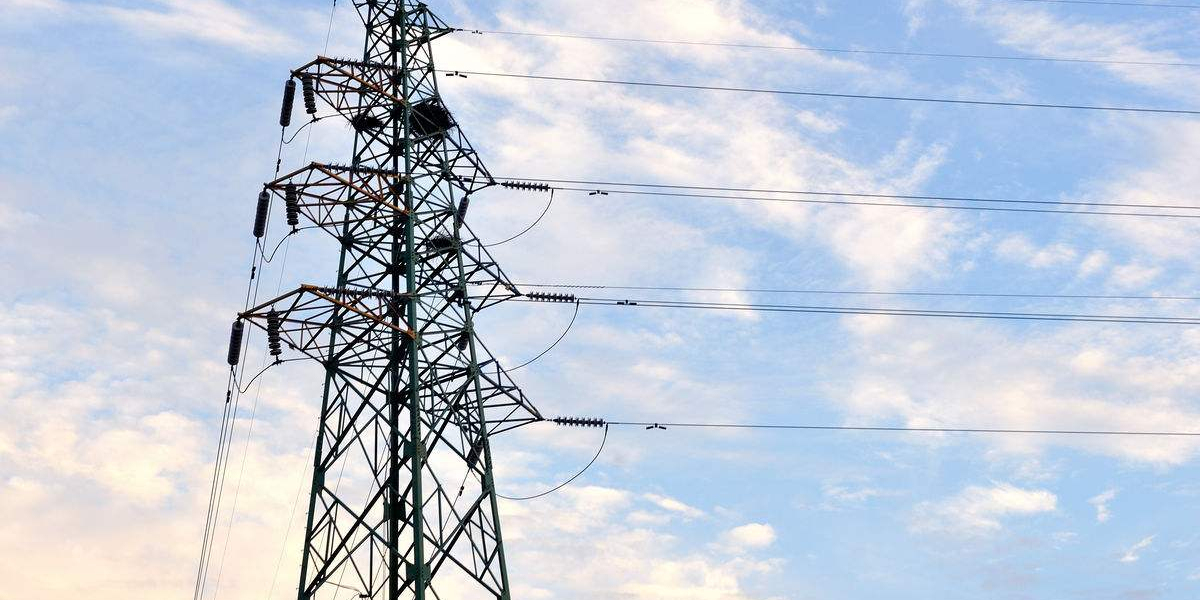
Overhead cables are the backbone of efficient power transmission and distribution systems. For engineers and procurement professionals, selecting the right overhead cable is critical to ensure reliability, minimize losses, and achieve long-term operational efficiency. HNBF Power, a global leader in manufacturing high-quality overhead conductors and power cables, offers a comprehensive range of solutions, including AAC, AAAC, ACSR, ABC, LV power cables, and concentric cables, designed to meet diverse industry requirements. In this article, we explore the key considerations, types, and benefits of overhead cables to help professionals make informed decisions.
Understanding Overhead Cables
Overhead cables are conductors suspended above the ground to transmit electricity from power stations to distribution networks or end-users. Unlike underground cables, overhead cables are exposed to environmental factors such as wind, rain, and temperature fluctuations, requiring superior mechanical strength and electrical conductivity. HNBF Power’s overhead cables are engineered to withstand these challenges while maintaining consistent performance.
Types of Overhead Cables
1. AAC (All Aluminum Conductor)
AAC cables consist entirely of high-purity aluminum, providing excellent conductivity and lightweight properties. Ideal for short-distance transmission lines, these cables are cost-effective and easy to install, making them suitable for residential and urban distribution networks.
2. AAAC (All Aluminum Alloy Conductor)
AAAC cables combine aluminum alloy strands to enhance mechanical strength while maintaining high conductivity. They are particularly suitable for longer spans and regions with higher mechanical stress due to wind or ice.
3. ACSR (Aluminum Conductor Steel Reinforced)
ACSR cables incorporate a steel core for added tensile strength, allowing longer spans between towers. They are commonly used for high-voltage transmission and are designed to withstand harsh environmental conditions.
4. ABC (Aerial Bundled Cable)
ABC cables bundle multiple insulated conductors together, reducing the risk of power outages and improving safety. They are preferred in urban and semi-urban areas where space constraints and aesthetic considerations are important.
5. LV Power Cables and Concentric Cables
For low-voltage applications, HNBF Power offers LV power cables and concentric cables, ensuring efficient power distribution with minimized losses and high durability.
Key Considerations for Selecting Overhead Cables
Mechanical Strength: Ensure the cable can withstand environmental stress such as wind load, ice, and tension.
Electrical Conductivity: Choose cables with optimal conductivity for efficient power transmission.
Corrosion Resistance: For areas prone to humidity or pollution, cables with enhanced corrosion resistance, such as AAAC or ACSR, are recommended.
Installation Requirements: Consider ease of installation, maintenance, and long-term operational reliability.
Compliance and Standards: Verify that the cables meet international standards for safety and performance.
HNBF Power ensures all overhead cables are manufactured to strict quality standards, offering engineers and procurement buyers reliable, long-lasting solutions.
FAQs About Overhead Cables
Q1: What is the difference between AAC and ACSR cables?
AAC cables are made entirely of aluminum, suitable for low-stress applications, whereas ACSR cables have a steel core to provide extra tensile strength for long-span, high-voltage transmission.
Q2: Can overhead cables be used in urban areas?
Yes, ABC cables are specifically designed for urban areas, reducing safety hazards and improving aesthetics compared to traditional bare conductors.
Q3: How does environmental exposure affect overhead cables?
Overhead cables are exposed to wind, temperature variations, and moisture. Choosing cables like AAAC or ACSR ensures durability and minimal power loss under harsh conditions.
Q4: Are HNBF Power overhead cables compliant with international standards?
Yes, all HNBF Power cables meet international standards for quality, safety, and performance, ensuring reliability across different applications.
Q5: How can I customize an overhead cable for a specific project?
HNBF Power offers tailored solutions to meet project-specific requirements, including conductor size, insulation type, and mechanical strength.
Conclusion
Selecting the right overhead cable is crucial for efficient, reliable power transmission. HNBF Power combines industry-leading technology, premium materials, and extensive expertise to deliver overhead cables tailored to your project needs. Contact HNBF Power today to explore customized solutions for your power transmission and distribution requirements.