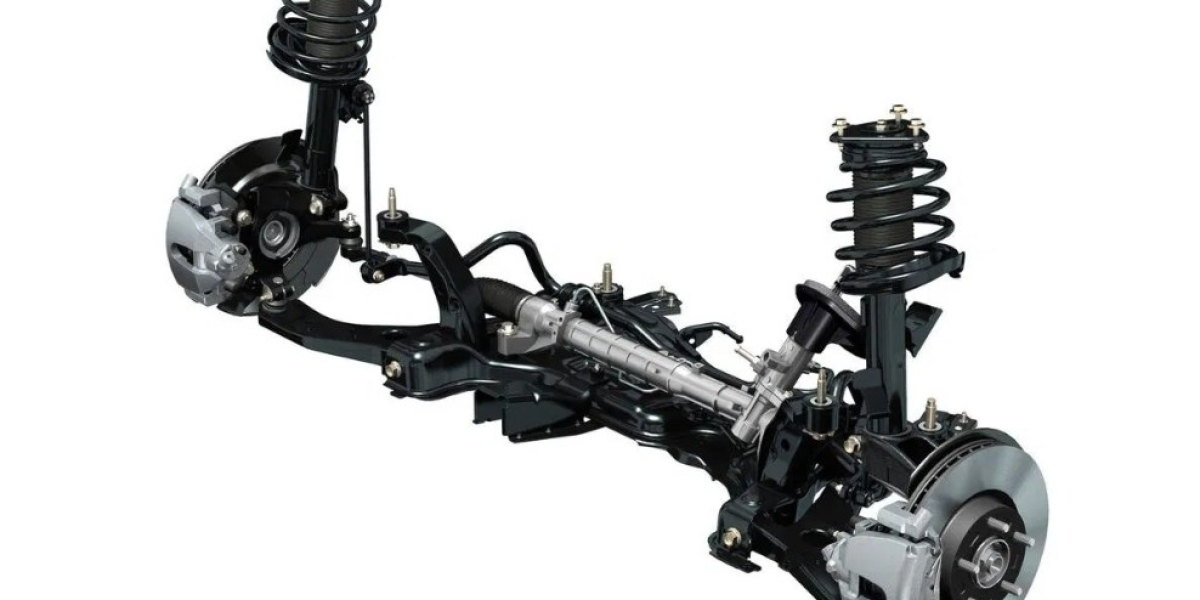
A modern car suspension system plays a crucial role in vehicle safety, comfort, and handling. It is responsible for keeping the tyres in contact with the road, absorbing shocks from uneven surfaces, and maintaining stability during braking and cornering. While many drivers only notice suspension problems when the ride becomes uncomfortable or noisy, the system itself is a carefully engineered combination of parts working together. Understanding these components helps vehicle owners recognise early warning signs of wear and gives aspiring technicians a solid foundation in automotive systems. For anyone aiming to work professionally with vehicles, learning suspension fundamentals is a core part of becoming a skilled car mechanic.
Springs and their role in load support
Springs are the backbone of the suspension system and are responsible for supporting the vehicle’s weight while absorbing road impacts. Most modern cars use coil springs, though some vehicles still rely on leaf springs or torsion bars depending on design and load requirements. When a car travels over bumps, springs compress and expand to minimise the force transferred to the vehicle body. Without springs, every uneven surface would be felt directly by the driver and passengers. Springs also help maintain consistent ride height, which is essential for proper wheel alignment and handling. Understanding spring types, load ratings, and failure symptoms is a fundamental skill taught in a car mechanic course, as worn or damaged springs can seriously affect vehicle stability.
Shock absorbers and struts for ride control
Shock absorbers and struts work alongside springs to control movement and prevent excessive bouncing. While springs absorb energy, shocks dampen that energy by controlling how quickly the spring compresses and rebounds. Struts combine shock absorption with structural support, often forming part of the steering system. Modern shock absorbers use hydraulic fluid or gas pressure to resist motion, ensuring tyres remain firmly planted on the road. When shocks or struts fail, drivers may notice poor handling, longer stopping distances, or uneven tyre wear. Diagnosing and replacing these components requires practical knowledge and hands-on experience, which is why suspension diagnostics are a key module in any professional car mechanic course.
Control arms and suspension geometry
Control arms connect the vehicle frame to the wheel assembly and allow controlled movement of the wheels. They play a critical role in maintaining proper suspension geometry, which affects handling, steering response, and tyre wear. Most vehicles use upper and lower control arms, fitted with bushings and ball joints to allow smooth articulation. Over time, bushings can deteriorate and joints can wear out, leading to clunking noises or poor alignment. Understanding how control arms influence camber, caster, and toe angles is essential for accurate suspension repairs. Skilled car mechanic professionals rely on this knowledge to restore factory handling characteristics after suspension work.
Ball joints and steering connection
Ball joints act as pivot points between control arms and steering knuckles, allowing the suspension to move while enabling steering input. They are designed to handle both vertical and horizontal forces, making them critical safety components. Most modern cars use sealed ball joints that require replacement once worn. Symptoms of failing ball joints include knocking noises, steering vibration, and uneven tyre wear. Because a failed ball joint can lead to loss of steering control, accurate inspection is essential. Learning how to identify wear and perform safe replacements is a core practical skill developed during a car mechanic course, ensuring technicians can maintain both comfort and safety.
Anti-roll bars for stability
Anti-roll bars, also known as sway bars, are designed to reduce body roll when a vehicle corners. They connect the suspension on opposite sides of the vehicle, distributing forces evenly during turns. When one wheel compresses more than the other, the anti-roll bar resists this movement, keeping the vehicle level. This improves handling and driver confidence, especially at higher speeds. Bushings and links connected to the anti-roll bar can wear out, causing rattling noises and reduced stability. Understanding how anti-roll bars contribute to vehicle dynamics is essential for any car mechanic, particularly when diagnosing handling complaints or upgrading suspension systems.
Bushings and vibration isolation
Bushings are small but vital components made from rubber or polyurethane that isolate metal suspension parts from each other. Their main function is to reduce vibration, noise, and harshness while allowing controlled movement. Over time, bushings can crack, harden, or collapse due to heat, age, and road conditions. Worn bushings can cause vague steering, clunks, and alignment issues. Replacing bushings often requires specialised tools and careful installation to avoid damaging suspension geometry. These fine details are covered in professional training, where future technicians learn why attention to small components separates an average repair from high-quality car mechanic work.
Why suspension knowledge matters for modern vehicles
Modern vehicles rely heavily on well-designed suspension systems to support advanced safety and comfort features. Electronic stability control, adaptive dampers, and driver assistance systems all depend on accurate suspension performance. A minor suspension fault can affect braking, steering, and even sensor calibration. This makes suspension knowledge more important than ever for today’s technicians. Comprehensive training helps mechanics understand how traditional mechanical components interact with modern vehicle technology. Enrolling in a structured car mechanic course provides the theoretical understanding and practical skills needed to diagnose, repair, and maintain complex suspension systems confidently.
Final thoughts on mastering suspension systems
A car’s suspension system is far more than just a comfort feature; it is a critical safety and performance system made up of many interdependent components. From springs and shocks to control arms and bushings, each part plays a specific role in how a vehicle handles the road. Understanding these components helps drivers maintain their vehicles properly and allows aspiring professionals to build strong technical foundations.