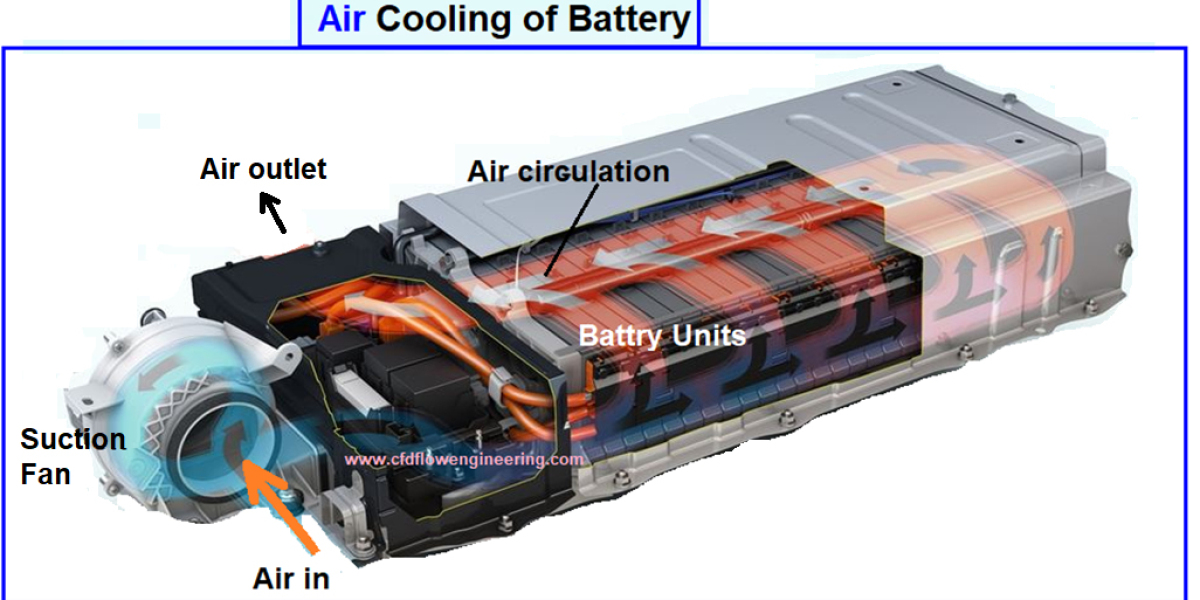
Hybrid vehicles earn their reputation from reliability, efficiency, and intelligent engineering. At the heart of that promise sits the prius hybrid battery, a component many drivers rely on but rarely understand. Inside every Prius, the Toyota Prius hybrid battery pack works silently to balance power, efficiency, and durability across thousands of drive cycles. When voltage imbalance begins quietly inside this system, the damage builds long before warning lights appear. Engineers see this drift early. Drivers usually feel it too late.
Why Voltage Balance Is the Silent Foundation of Hybrid Performance
Every prius hybrid battery is built from multiple modules working as a single electrical ecosystem. Each module must deliver power evenly. When one module weakens, it forces others to compensate. That imbalance increases heat, raises internal resistance, and accelerates aging across the entire pack.
Voltage imbalance does not announce itself loudly. It creeps in gradually through heat cycles, partial charging habits, and uneven load demands. By the time a driver notices reduced fuel economy or sluggish acceleration, the imbalance is already well-established.
Engineers monitor these deviations long before symptoms appear because early intervention preserves both performance and cost.
How Engineers Detect Problems Drivers Never Notice
Professional hybrid diagnostics go far beyond dashboard warnings. Engineers analyze live voltage data, temperature variance, and charge-discharge response curves. A healthy prius hybrid battery shows predictable behavior under load. An imbalanced one reveals hesitation, lag, and micro-voltage drops that occur in milliseconds.
Specialized scan tools map each module’s response. Even a 0.2-volt deviation can indicate internal chemical fatigue. This precision allows technicians at Hybridev Engineering to correct issues before they become irreversible.
Drivers often assume the battery is “fine” until a warning appears. Engineers know better. Voltage imbalance is measurable long before it is visible.
The Chemistry Behind Voltage Imbalance
Hybrid battery chemistry ages unevenly. Nickel-metal hydride cells, common in Prius platforms, are sensitive to temperature gradients and depth-of-discharge cycles. When cooling airflow is restricted or ambient temperatures rise, specific modules age faster than others.
This chemical divergence explains why voltage imbalance rarely affects all modules equally. One weak cell becomes the stress point. The rest of the prius hybrid battery must compensate, increasing system strain.
Understanding this chemical reality helps owners avoid habits that silently shorten battery life.
Real-World Driving Patterns That Accelerate Imbalance
Urban driving with constant stop-and-go traffic places repeated shallow cycling stress on the battery. Highway driving, while smoother, can expose weaknesses during sustained load periods. Parking in high-heat environments further worsens internal variance.
Many drivers unknowingly push their prius hybrid battery toward imbalance through simple habits. Engineers correct these issues by recalibrating cooling systems, balancing modules, and advising behavioral changes that stabilize voltage behavior.
Small adjustments create long-term protection.
Warning Signs Drivers Often Misinterpret
Reduced fuel economy, rough engine transitions, and inconsistent regenerative braking often appear before a fault code. Drivers may blame tires, fuel quality, or driving conditions. In reality, the prius hybrid battery may already be compensating for internal voltage instability.
Ignoring these subtle warnings allows imbalance to grow. Professional diagnostics clarify the root cause and prevent unnecessary part replacements.
Early attention saves money and preserves confidence.
The Role of Advanced Diagnostics in Preventing Failure
Modern hybrid diagnostics do more than read codes. Engineers perform stress testing under controlled load, thermal imaging of modules, and real-time voltage tracking. These tools reveal whether imbalance is correctable or structural.
At Hybridev Engineering, this process ensures owners receive accurate guidance instead of guesswork. Not every imbalance requires replacement. Many require precise balancing and thermal correction.
Knowledge changes outcomes.
When Voltage Imbalance Becomes a System-Level Risk
Left unchecked, imbalance triggers cascading failures. Cooling fans overwork. Inverters operate outside optimal ranges. Control modules begin issuing protective limits. At this stage, the prius hybrid battery is no longer the only system affected.
This is why engineers emphasize early diagnostics. Once imbalance spreads beyond the battery pack, repair complexity increases dramatically.
Prevention remains the smartest strategy.
Understanding Cross-Platform Fault Correlations
Voltage imbalance data often helps diagnose related hybrid platforms. Engineers sometimes see patterns that resemble Toyota Aqua C1391 trouble code behavior, where braking and battery systems interact under electrical stress. These correlations highlight how deeply integrated hybrid systems truly are.
Learning from these overlaps improves diagnosis accuracy and reduces unnecessary repairs.
Maintenance Practices That Stabilize Battery Health
Consistent airflow, clean cooling ducts, and periodic voltage checks dramatically slow imbalance progression. Owners who follow structured maintenance schedules protect the prius hybrid battery from avoidable degradation.
Professional servicing ensures software updates, thermal calibration, and module balancing remain optimized.
Longevity is engineered, not accidental.
Reconditioning vs Replacement: Making the Right Call
Not every imbalanced pack requires replacement. Reconditioning restores balance when structural integrity remains intact. Replacement becomes necessary only when chemical degradation exceeds recovery thresholds.
Expert evaluation determines the correct path. This decision protects both performance and investment.
Why Expertise Matters More Than Mileage
Mileage alone does not define battery health. Usage patterns, climate exposure, and maintenance history matter more. Engineers evaluate these factors holistically when assessing the prius hybrid battery.
Owners who rely on experience instead of assumptions make smarter long-term decisions.
The Engineering Advantage of Early Intervention
Early detection converts risk into control. Voltage imbalance caught early is manageable. Left alone, it becomes expensive. Engineers understand this reality because they see the data before failure occurs.
That insight empowers owners who act early.
A Deeper Look Inside the Battery Architecture
The Toyota Prius hybrid battery pack is designed for modular efficiency, but that design also means imbalance spreads logically if not corrected. Understanding this architecture explains why precision diagnostics outperform guess-based repairs.
Structure matters.
How Hybrid Owners Protect Long-Term Value
A well-maintained prius hybrid battery sustains resale value, fuel efficiency, and driving confidence. Professional diagnostics transform uncertainty into clarity.
Owners who invest in expertise avoid reactive repairs.
Final Thoughts: Knowledge Is the Strongest Battery Protection
Voltage imbalance is not a sudden failure. It is a measurable process. Engineers see it forming long before drivers feel it. Understanding this difference changes how hybrid owners approach care.
If your Prius feels “slightly off,” trust the signal. Precision diagnostics preserve performance, protect investment, and extend battery life.
That is the engineering advantage.