When Display Testing Results Don’t Match Reality
Engineers working with LCD, OLED, and micro-display technologies often face inconsistent viewing-angle data, unreliable luminance results, and poor contrast analysis. Even with advanced test setups, measurement errors still appear. In many cases, the issue is not the display panel—but the optical detection method.
Accurate angular measurement is critical in display evaluation. Without the right optical component, data can become misleading, affecting product quality and performance decisions.
What Is a Conoscope Lens and Why It Matters
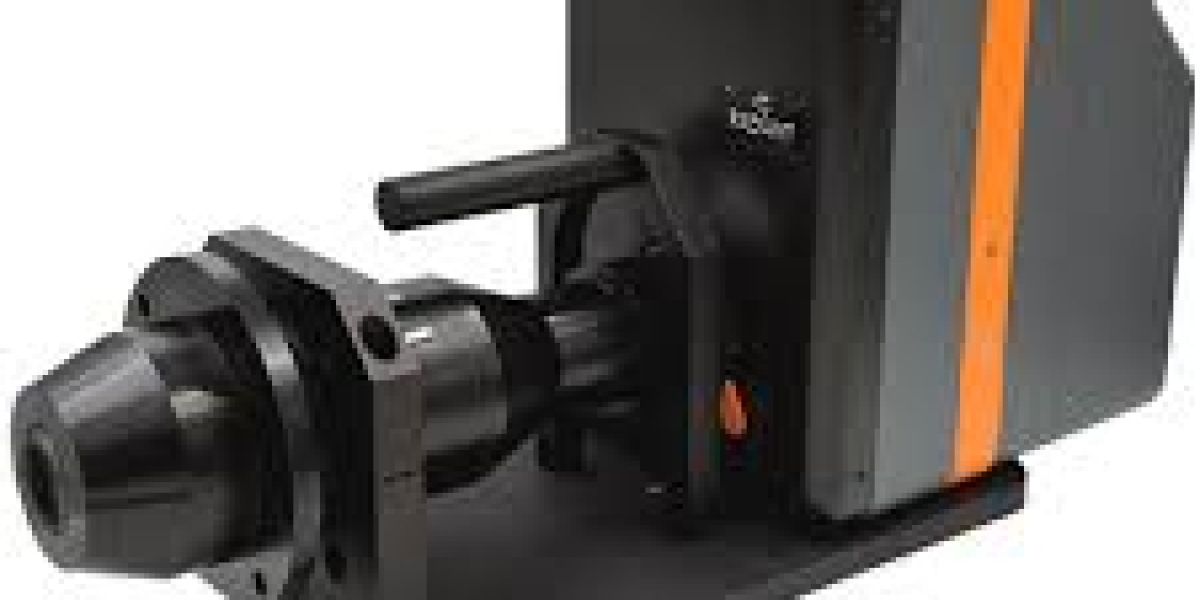
A conoscope lens is a specialized optical lens designed to capture angular distribution of light from a display or light source. Instead of measuring light at a single angle, it collects information across a wide angular range simultaneously.
This makes conoscope lenses essential in viewing-angle analysis, luminance distribution testing, contrast evaluation, and color uniformity measurement. They are widely used in flat-panel display testing, optical research, and quality control environments.
You can explore precision-engineered conoscope lens solutions built for professional display measurement systems.
Common Problems Without a Proper Conoscope Lens
1. Inaccurate Viewing-Angle Data
Standard measurement methods often fail to capture the full angular behavior of a display. This leads to incorrect brightness and contrast readings at off-axis angles.
2. Slow and Inefficient Testing
Manual angle-by-angle measurements consume time and increase the chance of human error. This slows down R&D and production validation.
3. Inconsistent Measurement Results
Without proper angular optics, repeated tests may produce different results, reducing confidence in the data.
4. Limited Insight into Display Performance
Poor angular analysis hides issues like color shift, luminance drop, and contrast loss—problems that directly impact end-user experience.
How a Conoscope Lens Solves These Issues
A high-quality conoscope lens captures all angular information at once, projecting it onto a sensor for accurate and repeatable analysis. This allows engineers to visualize how light behaves across the entire viewing cone of a display.
Key benefits include:
Accurate viewing-angle measurement
Fast and repeatable testing
High angular resolution
Reliable luminance and contrast analysis
Improved display performance evaluation
These advantages are especially important for OLED, micro OLED, and AR/VR display technologies.
Where Conoscope Lenses Are Commonly Used
Conoscope lenses play a critical role in:
Flat-panel display testing (LCD, OLED, micro displays)
AR and VR optical module evaluation
Research laboratories and universities
Display manufacturing quality control
Optical and photometric measurement systems
In each application, precise angular data is essential for ensuring display quality and consistency.
Optical Design Behind Conoscope Lenses
From an optical engineering perspective, conoscope lenses are designed with carefully calculated focal properties, high numerical aperture, and minimal distortion. This ensures accurate mapping of angular light distribution onto imaging sensors.
Selecting the right conoscope lens improves measurement accuracy, reduces testing time, and enhances confidence in display evaluation results.
Final Thoughts: Better Measurements Start with the Right Lens
Display performance depends heavily on accurate testing. Without proper angular analysis, even high-quality panels can appear inconsistent or underperforming. A precision conoscope lens eliminates guesswork by delivering reliable, repeatable, and detailed viewing-angle data.
For engineers and manufacturers focused on display quality, investing in the right conoscope lens is not optional—it’s essential.