
A reliable water supply is something most homeowners take for granted until problems start appearing. Discoloured water, weak pressure, frequent leaks, or unexplained plumbing issues often point to one underlying cause: an aging or damaged water main. Replacing an old water main doesn’t just fix immediate problems; it significantly improves both water quality and water pressure over the long term.
This article explains how water main replacement works, why it’s necessary, and how it delivers noticeable improvements for residential properties.
Understanding the Role of the Water Main
The water main is the primary pipe that delivers fresh water from the public supply to a property. Over time, these pipes deteriorate due to age, corrosion, soil movement, and changing water pressure demands.
Older water mains especially those made from lead, steel, or iron are more likely to:
Corrode internally
Accumulate sediment
Crack or leak underground
Restrict water flow
When this happens, water quality and pressure both suffer.
How Old Water Mains Affect Water Quality
Poor water quality is one of the most common signs of a failing water main. As pipes age, their inner surfaces break down, allowing contaminants to enter the water supply.
Common water quality issues include:
Brown or cloudy water
Metallic taste or smell
Sediment in taps
Potential health concerns from old materials
Corrosion inside the pipe releases particles directly into the water, while small cracks allow soil and debris to enter. This is why underground water main renewal plays a key role in restoring clean, safe water.
How Replacement Improves Water Quality
Installing a new water main immediately eliminates the internal corrosion and contamination risks associated with older pipes.
Key water quality improvements:
Clean, smooth internal pipe surfaces
Reduced risk of contamination
No metallic taste or discolouration
Compliance with modern water safety standards
Modern materials such as MDPE are designed specifically for potable water, ensuring long-term safety and reliability.
Why Low Water Pressure Happens
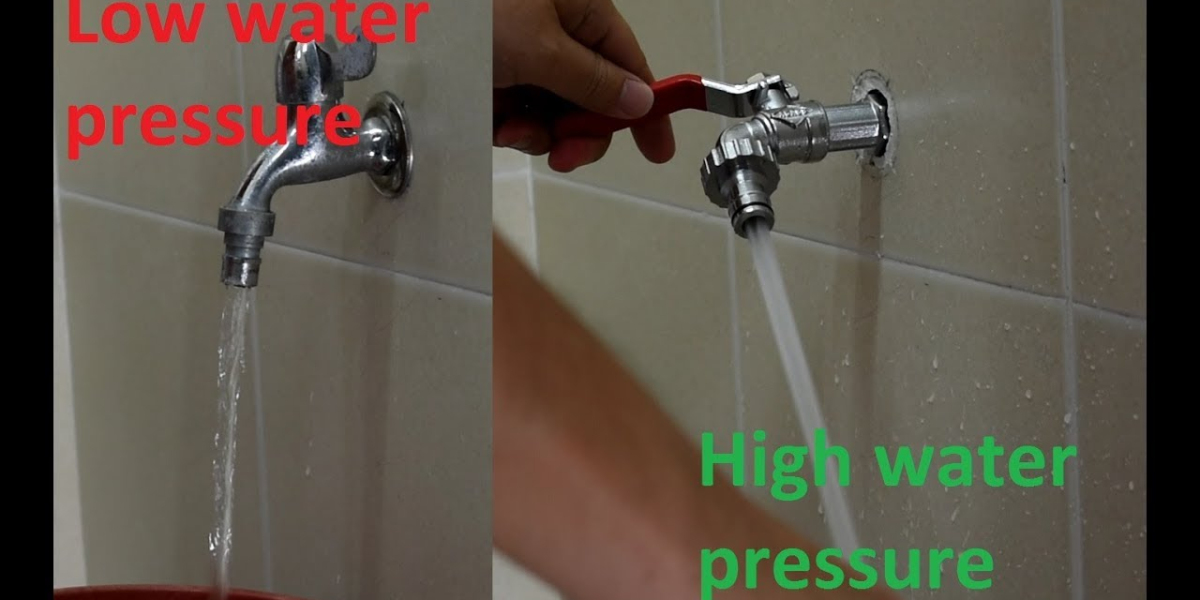
Low or inconsistent water pressure is another major symptom of aging water mains. As pipes corrode internally, their effective diameter becomes smaller, restricting water flow.
Other causes include:
Partial collapses underground
Leaks diverting water away from the property
Mineral and sediment buildup
Poor previous repairs
Even minor internal damage can dramatically reduce pressure over time.
How Water Main Replacement Restores Pressure
Replacing the old main with a modern pipe allows water to flow freely again, restoring pressure throughout the property.
Pressure-related benefits include:
Stronger flow at taps and showers
Consistent pressure across multiple outlets
Improved appliance performance
Reduced strain on plumbing systems
When homeowners install a new water main, they often notice an immediate improvement in water pressure.
Underground Water Main Renewal: A Long-Term Solution
Underground water main renewal focuses on replacing the entire length of the supply pipe rather than patching individual problem areas. This approach prevents recurring issues and delivers lasting results.
Benefits of full renewal:
Eliminates hidden weak points
Reduces future leak risks
Minimizes emergency repairs
Improves system efficiency
In many cases, trenchless methods are used, reducing disruption to gardens, driveways, and paths.
When Is Replacement Better Than Repair?
While small repairs can solve short-term issues, they may not be cost-effective for older systems.
Replacement is usually recommended when:
The pipe is several decades old
Multiple leaks have occurred
Water pressure remains low despite repairs
Water quality issues persist
Property renovations are planned
Full replacement provides a permanent solution instead of repeated temporary fixes.
Pipe Renewal Services in Sussex: What Homeowners Should Know
Properties in Sussex often include older housing stock, making pipe renewal services Sussex particularly relevant. Local conditions such as soil type and property age increase the likelihood of underground pipe deterioration.
Professional renewal services typically include:
Pipe inspection and assessment
Leak detection and mapping
Removal or bypassing of old pipes
Installation of new water mains
Pressure testing and final checks
Using experienced contractors ensures compliance with local regulations and water authority requirements.
Additional Benefits Beyond Water Quality and Pressure
Replacing a water main offers more advantages than many homeowners expect.
Long-term benefits include:
Increased property value
Improved plumbing efficiency
Lower maintenance costs
Reduced risk of water damage
Better insurance acceptance
A modern water main is an investment in both safety and convenience.
Planning the Right Time for Replacement
The best time to replace a water main is before serious problems develop.
Ideal situations include:
During property renovations
Before landscaping projects
When upgrading internal plumbing
Prior to selling a property
Planning ahead allows for smoother installation and minimal disruption.
Final Thoughts
Water main replacement is one of the most effective ways to improve both water quality and water pressure in residential properties. Aging pipes quietly degrade over time, affecting daily comfort and long-term safety. By choosing underground water main renewal and working with reliable pipe renewal services in Sussex, homeowners can eliminate recurring problems and enjoy cleaner, stronger water flow.
Whether the goal is better pressure, safer drinking water, or long-term reliability, choosing to install a new water main delivers immediate benefits and lasting peace of mind.