Struggling with Inaccurate Display Measurements? Conoscope Lens Can Be the Missing Link
Flat panel display manufacturers, optical engineers, and quality control teams often face frustrating measurement errors when analyzing display angles, brightness uniformity, or color accuracy. Traditional methods can produce inconsistent results, leading to faulty products, increased costs, and customer complaints. The root cause is often not the display itself but the inability of conventional measurement tools to accurately capture light angles and intensity.
This is where a conoscope lens becomes essential for precise optical testing, ensuring reliable and repeatable measurements for displays, optical modules, and reflective surfaces.
What Is a Conoscope Lens?
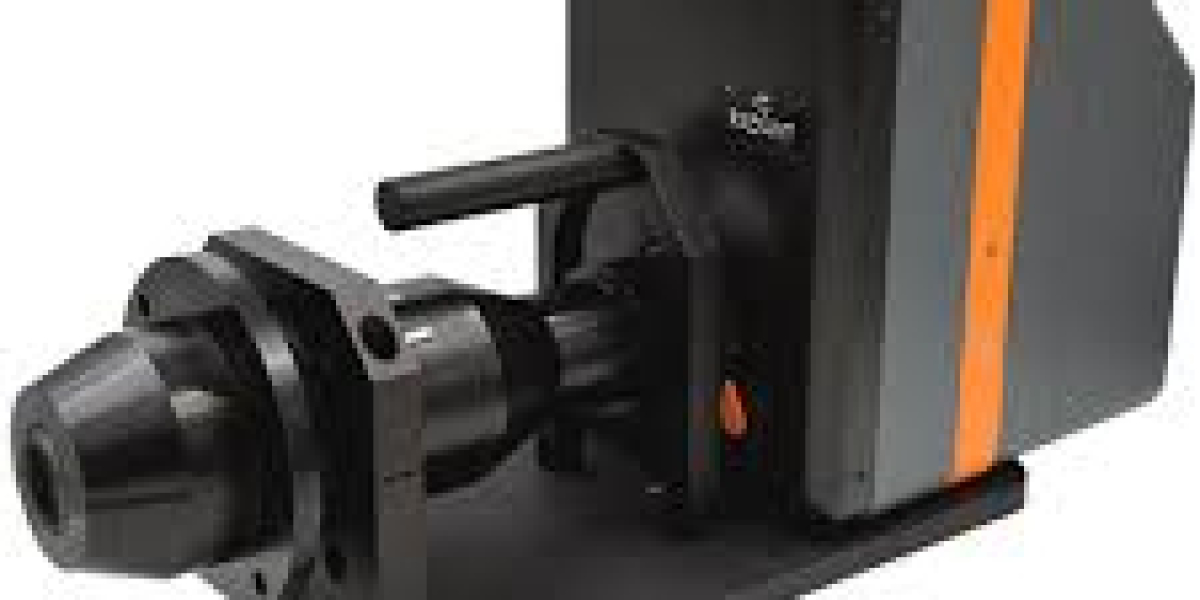
A conoscope lens is a specialized optical component used to measure angular distribution of light from displays or optical systems. It captures the complete viewing cone of a surface, providing data on how light behaves at various angles. Unlike standard lenses, a conoscope lens is designed to maintain high precision and minimal distortion, allowing engineers to accurately map brightness, color, and uniformity.
These lenses are widely used in display factories, R&D labs, and optical inspection setups to ensure quality and performance.
Common Problems Without a Conoscope Lens
Many manufacturers and engineers encounter recurring issues without a conoscope lens:
Inaccurate measurement of viewing angles
Misinterpretation of brightness or color uniformity
Defective display panels slipping past quality checks
Increased product returns and customer complaints
Time-consuming manual adjustments
These challenges directly impact product reliability, customer satisfaction, and manufacturing efficiency.
How Conoscope Lens Solves These Issues
Accurate Angle Measurement
A conoscope lens captures the full angular distribution of light, providing precise data for display or optical system performance.
High-Resolution Data
Advanced conoscope lenses maintain clarity and reduce distortion, ensuring measurements reflect the actual behavior of the display.
Simplified Quality Control
With accurate data, engineers can quickly identify defects or inconsistencies, reducing inspection time and production errors.
Versatile Applications
Conoscope lenses are compatible with various display types, including LCD, OLED, Micro LED, and optical modules, making them essential for modern production environments.
Where Conoscope Lenses Are Most Effective
A conoscope lens is commonly used in several optical and display applications:
Flat Panel Display Testing
Ensures accurate viewing angles, brightness uniformity, and color fidelity across the screen.
Optical Module Calibration
Measures light distribution in complex optical systems for cameras, projectors, and AR/VR devices.
Quality Control Labs
Reduces errors during inspection and ensures consistent production standards.
Research and Development
Helps engineers develop new displays and optical devices with precise angular light characterization.
Why Material and Design Matter
The precision of a conoscope lens depends on material quality, surface flatness, and optical design. Lenses made from low-quality glass or with poor angular calibration can introduce errors, making measurements unreliable. High-quality conoscope lenses ensure consistent light transmission and accurate angular mapping, critical for engineering and production environments.
Final Thoughts
Inaccurate light and angle measurements can compromise display quality, optical system performance, and customer satisfaction. Integrating a high-quality conoscope lens into your inspection or R&D workflow ensures reliable, repeatable, and precise measurements. For engineers and manufacturers, investing in the right conoscope lens is not optional—it’s essential for maintaining quality and efficiency.