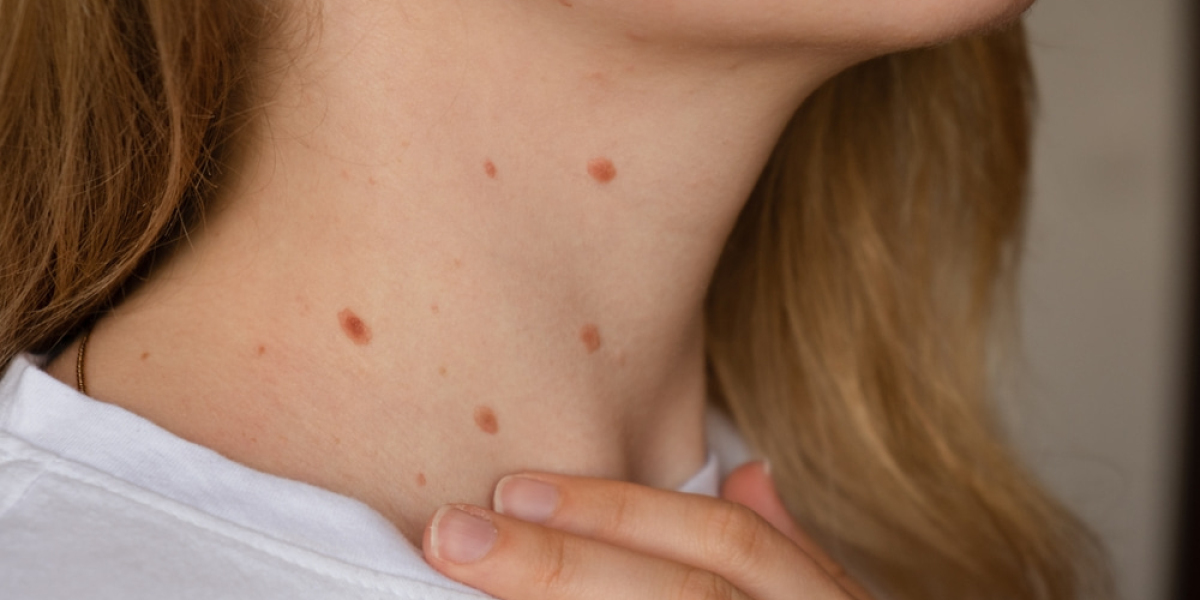
Skin tags are small, benign growths that appear on the skin, often causing concern due to their appearance and the fear that they might be contagious. Many people notice these soft, flesh-colored protrusions and immediately wonder about their potential to spread. Understanding whether these skin growths are contagious is crucial not just for personal health but also for maintaining overall health and wellness. In this article, we’ll explore everything you need to know, guided by expert insights from dermatologists.
What Are Skin Tags?
Skin tags, medically known as acrochordons, are tiny, soft growths that typically appear in areas where the skin folds, such as the neck, armpits, groin, and under the breasts. They are usually flesh-colored or slightly darker than surrounding skin. Though they can vary in size—from a few millimeters to over a centimeter—they are generally harmless and painless.
Dermatologists stress that while skin tags are harmless, they can become irritated due to friction from clothing or jewelry. Importantly, understanding their nature is essential in answering the question: Are Skin Tags Contagious?
Causes of Skin Tags
The exact cause of skin tags is not fully understood, but dermatologists identify several contributing factors. Skin tags often develop due to friction, hormonal changes, obesity, and aging. People with insulin resistance or type 2 diabetes may also experience more frequent skin tag growth.
Genetics can play a role too, as some families may be more prone to developing these benign lesions. Since skin tags are non-infectious, they are different from viral warts or fungal infections, which can spread from person to person. This distinction is key to addressing whether Are Skin Tags Contagious.
Are Skin Tags Contagious?
One of the most frequently asked questions by patients is whether skin tags can spread to other people. According to dermatologists, skin tags are not contagious. Unlike infectious skin conditions such as warts caused by the human papillomavirus (HPV) or fungal infections like ringworm, skin tags do not have a viral or bacterial origin.
This means that touching someone else's skin tag, hugging, or sharing personal items such as towels will not transmit the growth. Understanding this can provide relief for those concerned about the social and personal implications of having skin tags.
Moreover, maintaining proper hygiene and following health and wellness practices can help minimize irritation but will not prevent their occurrence, as they are influenced more by internal factors like genetics and metabolism.
Risk Factors for Developing Skin Tags
While skin tags are harmless and non-contagious, certain factors increase the likelihood of developing them. These include:
Obesity and overweight: Extra skin folds increase friction, which may lead to skin tags.
Hormonal changes: Pregnant women often develop skin tags due to hormonal fluctuations.
Age: Skin tags are more common in middle-aged and older adults.
Genetic predisposition: A family history of skin tags increases the likelihood of occurrence.
Underlying medical conditions: Conditions such as diabetes and insulin resistance are linked to higher incidences of skin tags.
Awareness of these risk factors can help individuals manage their skin health proactively, although they do not influence the contagiousness of skin tags.
Common Myths About Skin Tags
There are numerous myths surrounding skin tags, often causing unnecessary worry. Let’s debunk some of the most common ones:
Myth: Skin tags are contagious.
Dermatologists confirm that skin tags cannot spread from one person to another, making them entirely non-infectious.Myth: Skin tags turn into cancer.
Skin tags are benign growths. While any skin lesion should be monitored for changes, skin tags themselves are not precancerous.Myth: Cutting or removing skin tags at home is safe.
At-home removal can lead to infection or scarring. Dermatologists recommend professional removal if necessary.
Understanding these myths can help individuals make informed decisions and reduce anxiety about their skin health.
When to See a Dermatologist
Although skin tags are generally harmless, it’s important to seek professional advice if:
A skin tag changes color, size, or shape.
It becomes painful, bleeds, or shows signs of infection.
You have multiple skin tags appearing rapidly.
Dermatologists can confirm that these growths are benign and provide safe removal options such as cryotherapy, excision, or cauterization. Timely consultation ensures peace of mind and helps maintain proper skin health.
Safe Removal Options
For those bothered by the appearance or irritation of skin tags, several safe removal methods exist:
Cryotherapy: Freezing the skin tag with liquid nitrogen.
Excision: Cutting off the skin tag using sterile tools.
Cauterization: Burning off the skin tag to prevent bleeding.
Ligation: Tying off the base of the skin tag to cut off blood flow, causing it to fall off naturally.
All of these methods should be performed by a trained dermatologist to avoid infection and scarring. Importantly, removal does not affect the non-contagious nature of skin tags—they cannot spread during or after removal.
Preventive Measures and Maintaining Skin Health
Although you cannot completely prevent skin tags, certain measures can reduce irritation and promote healthy skin. These include:
Wearing loose-fitting clothing to minimize friction.
Maintaining a healthy weight to reduce skin folds.
Practicing good hygiene and moisturizing to keep skin supple.
Regular check-ups with a dermatologist to monitor skin changes.
By focusing on health and wellness, you can minimize discomfort from skin tags while maintaining confidence in your skin’s appearance.
Conclusion
In summary, Are Skin Tags Contagious is a common concern, but dermatologists reassure that these growths are entirely non-infectious. They result from friction, hormonal changes, genetics, and certain medical conditions—not from viruses or bacteria. While skin tags can be removed for cosmetic reasons or irritation, touching or sharing them poses no risk to others.
Maintaining good skin care practices and being aware of risk factors can help you manage skin tags effectively while supporting overall health and wellness. Always consult a dermatologist if you notice unusual changes, and enjoy peace of mind knowing that skin tags are harmless, benign, and non-contagious.