The Ultimate Guide to Ghost Mannequin and Photo Retouching Services for E-commerce
In the hyper-competitive world of online retail, your product images are the most powerful tool in your marketing arsenal. When a customer lands on your website, they cannot touch the fabric, feel the weight of the material, or try the item on for size.1 They are entirely dependent on the visual story you tell. This is where Professional Photo Retouching services step in to transform standard photography into high-converting sales assets.
This comprehensive guide explores the "why" and "how" of these essential services, providing a roadmap for fashion brands looking to scale.
Part 1: The Magic of the Ghost Mannequin Effect
The "Ghost Mannequin" effect (also known as the Invisible Mannequin or Hollow Man technique) is the process of photographing clothing on a mannequin and then digitally removing the mannequin in post-production.
Why Ghost Mannequin is the Industry Standard
For years, brands had to choose between two extremes: flat-lay photography or live models. Flat-lays are cost-effective but lack shape; live models are aspirational but incredibly expensive and logistically complex. The ghost mannequin effect offers the perfect middle ground.
3D Realism: It provides a lifelike silhouette. Customers can see how a jacket curves at the waist or how a dress drapes at the hips.
Focus on the Product: Without a model’s face, hair, or tattoos to distract the viewer, the focus remains 100% on the garment’s design and quality.
Consistency: By using a fixed mannequin, you can ensure every shirt or pair of trousers is angled exactly the same way, creating a clean, organized look across your category pages.
Part 2: Why You Need Photo Retouching for E-commerce
If the ghost mannequin provides the structure, photo retouching provides the perfection. You might wonder, "If I have a great camera and good lighting, why do I need retouching?" The answer lies in the limitations of raw photography.
1. Correcting the "Unseen" Imperfections
High-resolution cameras are a double-edged sword; they capture beautiful detail, but they also highlight every speck of dust, every stray thread, and every tiny wrinkle. Professional retouching "cleans" the image, removing these distractions so the customer sees only a pristine product.7
2. Ensuring Color Fidelity
One of the primary reasons for e-commerce returns is "color mismatch." Under studio lights, a navy blue shirt might look charcoal, or a neon pink might look washed out. Retouchers perform Color Correction to ensure the digital image matches the physical product's color (the "true-to-life" hue), which significantly builds customer trust and lowers return rates.
3. Creating a Brand Aesthetic
Consistent brightness, contrast, and shadow depth across your entire website signal to the customer that you are an established, professional brand. Retouching ensures that a photo taken in January looks identical in quality to a photo taken in June.
Part 3: The Financial Impact (ROI Calculation)
Let’s look at the numbers. Many small to mid-sized brands hesitate to outsource these services because of the perceived cost. However, when you calculate the Return on Investment (ROI), the savings are staggering.
The Cost Comparison
Imagine you have a collection of 100 products.
Live Model Shoot: You need a model ($1,200/day), a hair/makeup artist ($500), a studio rental ($600), and a photographer ($1,000). Total: $3,300+.
Ghost Mannequin Workflow: You shoot the items in-house or with a local photographer ($500) and outsource the ghost mannequin editing at roughly $3.00 per image ($300). Total: $800.
The Result: You save over $2,500 per collection while achieving a professional, high-end look that is proven to convert.
By reducing returns through better "fit" visualization and increasing sales through polished imagery, the "Gain" far outweighs the small "Cost" of professional editing.
Part 4: Technical Breakdown – How It’s Done
To get the best out of a professional service, you must understand the technical workflow. It is a two-part process involving specific photography and expert post-production.
The Photography Phase
To create the "hollow" look, you need more than one photo:
The Front Shot: The garment is placed on the mannequin and photographed.9
The Inlay/Neck Shot: The garment is opened up, and the inside back (where the brand tag usually sits) is photographed.10
The Detail Shots: Close-ups of zippers, buttons, or embroidery.
The Post-Production Phase
This is where the magic happens. A professional editor will:
Clipping Path: Use the pen tool to create a precise mask around the clothing.
Compositing: Digitally "stitch" the neck shot into the front shot to create the 3D interior.11
Shadowing: Add a drop shadow to give the garment "weight" so it doesn't look like a flat sticker on a white background.12
Part 5: Specific Retouching Techniques for Success
Beyond the ghost mannequin effect, these retouching techniques are non-negotiable for modern e-commerce:
Symmetry Correction: Human hands often dress mannequins slightly off-center. Retouchers fix lopsided collars or uneven sleeves.
Wrinkle Removal: Even with a steamer, some fabrics (like linen or cotton) wrinkle instantly. Digital "ironing" keeps the product looking fresh.
Background Removal: Most marketplaces (Amazon, eBay, Google Shopping) require a Pure White (RGB 255, 255, 255) background.13 Professional editors ensure the edges are smooth, not "pixelated."
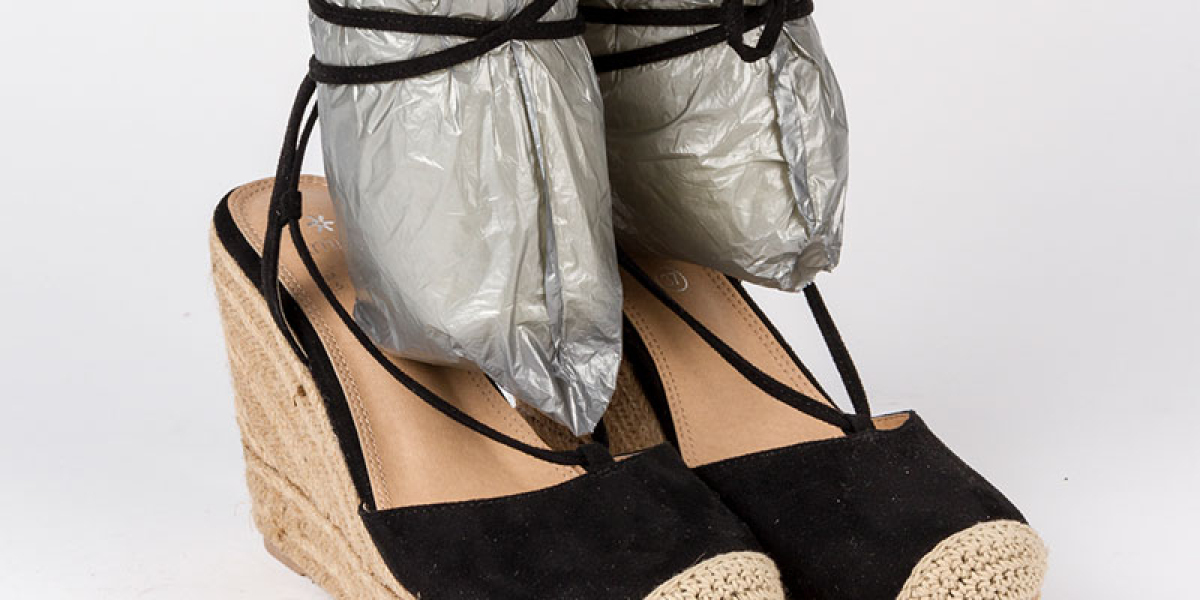
Ghost Mannequin for Jewelry & Accessories: This isn't just for clothes!14 Watches, handbags, and even hats benefit from "invisible support" removal and high-end polishing.
Part 6: How to Choose a Ghost Mannequin Service Provider
When looking for a partner to handle your imagery, look for these three pillars:
Turnaround Time: In fashion, speed is everything. Look for a service that offers 24-hour delivery.
Scalability: Can they handle 10 images today and 1,000 next week?
Quality Control: Ask for a free trial. Check the "edges" of the ghost mannequin work; they should be sharp and natural, not blurry.
Conclusion: Your Images are Your Salespeople
In the digital world, your product image is the only bridge between your warehouse and your customer’s closet. Investing in Ghost Mannequin and Photo Retouching services isn't just an "editing expense"—it is a fundamental business strategy. It reduces the cost of production, slashes return rates, and elevates your brand to compete with global giants.