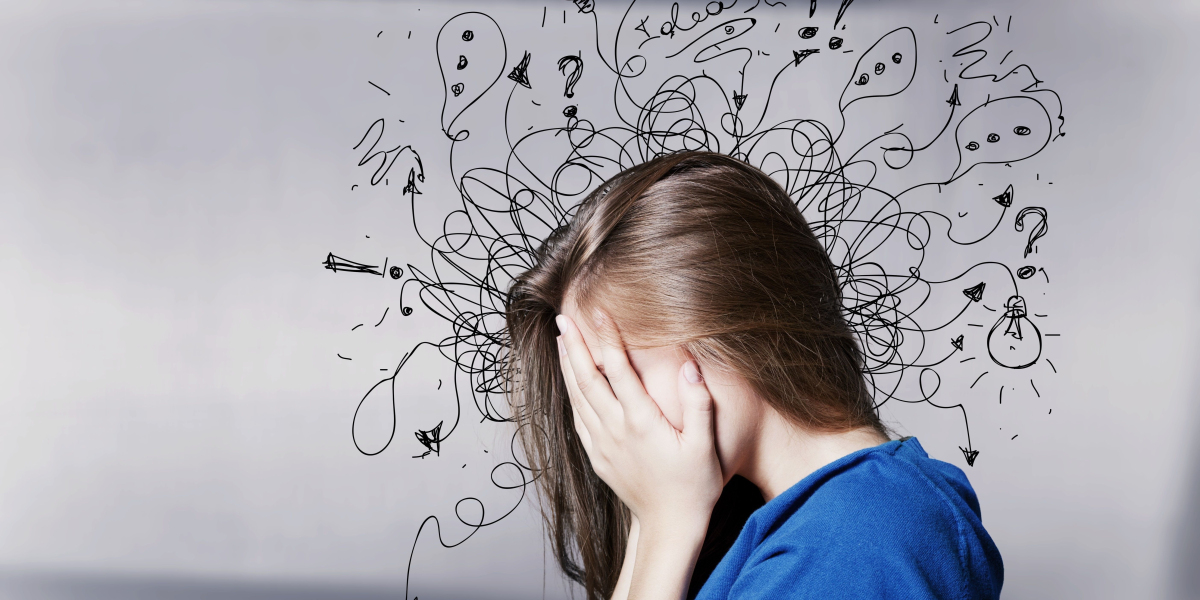
Anxiety is a common and often overwhelming experience that can affect work, relationships, and overall quality of life. While it is natural to feel anxious during stressful situations, persistent anxiety can become disruptive. Understanding effective tools to manage anxiety can help individuals move from feelings of overwhelm to a state of calm and control.
Understanding Anxiety
Anxiety is the body’s natural response to perceived threats, triggering physiological reactions such as increased heart rate, rapid breathing, and heightened alertness. While short-term anxiety can be helpful in focusing attention and preparing for challenges, chronic anxiety may interfere with daily activities, decision-making, and emotional well-being.
Common symptoms include persistent worry, restlessness, difficulty concentrating, irritability, sleep disturbances, and physical signs such as muscle tension or digestive issues. Recognizing these symptoms is the first step toward implementing effective coping strategies.
The Science Behind Anxiety
The brain plays a central role in how anxiety manifests. The amygdala, responsible for detecting threats, triggers the fight-or-flight response when it senses danger. Meanwhile, the prefrontal cortex, which regulates rational thinking and decision-making, helps modulate these reactions. Imbalances in this system, along with fluctuations in neurotransmitters such as serotonin, dopamine, and GABA, can increase susceptibility to anxiety.
Understanding the neurological basis of anxiety emphasizes that it is a biological and psychological response—not a personal weakness—and highlights the importance of evidence-based strategies for management.
Practical Tools to Tackle Anxiety Effectively
Effectively managing anxiety requires a combination of cognitive, behavioral, and lifestyle strategies. The following tools are widely recognized for their effectiveness:
1. Mindfulness and Meditation
Mindfulness techniques encourage focusing on the present moment rather than ruminating on worries. Deep breathing, guided meditation, and progressive muscle relaxation can calm the nervous system, reduce physiological arousal, and enhance emotional regulation.
2. Physical Exercise
Regular exercise is a natural anxiety reducer. Activities such as walking, jogging, yoga, or swimming release endorphins, improve sleep, and regulate stress hormone levels. Even short daily sessions can provide noticeable relief from anxious feelings.
3. Cognitive Behavioral Approaches
Cognitive Behavioral Therapy (CBT) helps identify and reframe negative thought patterns that fuel anxiety. By challenging irrational beliefs and gradually confronting anxiety-provoking situations, individuals strengthen coping skills and reduce avoidance behaviors.
4. Structured Daily Routines
Creating consistent daily routines helps reduce uncertainty and unpredictability, which often trigger anxiety. Scheduling time for work, relaxation, meals, exercise, and social interaction supports mental stability and a sense of control.
5. Lifestyle Modifications
Adequate sleep, balanced nutrition, and reducing stimulants such as caffeine and alcohol play a significant role in regulating mood and stress responses. Maintaining social connections and engaging in enjoyable hobbies further buffer against anxiety triggers.
6. Professional Guidance
For moderate to severe anxiety, consulting mental health professionals is crucial. Therapists and counselors provide structured interventions, support, and, when necessary, medical management. Trusted platforms like Straight from GB offer resources for accessing expert care and guidance.
Breaking the Anxiety Cycle
Anxiety often becomes self-perpetuating. Persistent worry leads to heightened physiological responses and avoidance behaviors, which reinforce fear and tension. Breaking this cycle involves consistent use of the above tools, combined with self-awareness and proactive engagement with stressors.
Setting Achievable Goals
Starting with small, manageable steps encourages success and builds confidence. Examples include short daily mindfulness sessions, incremental exposure to anxiety-provoking situations, or gradual lifestyle changes. Over time, these incremental actions produce significant improvements in emotional resilience.
Integrating Anxiety Management Into Daily Life
Integrating these tools into everyday routines is essential for sustainable relief. Awareness of triggers—such as work stress, social pressures, or digital overload—allows for timely intervention. Consistent practice ensures that coping strategies become habitual, reducing the intensity and frequency of anxiety episodes.
Educational resources and guides focusing on tools to tackle anxiety effectively provide actionable strategies that individuals can implement immediately, promoting empowerment and long-term emotional well-being.
Evidence-Based Insights
Research supports the effectiveness of combining mindfulness, exercise, cognitive techniques, and professional support for managing anxiety. Individuals who integrate these strategies report improved mood, enhanced focus, and better overall quality of life. Early intervention also prevents escalation and reduces secondary risks such as sleep disturbances, chronic stress, or depressive symptoms.
Conclusion
Anxiety may feel overwhelming, but with the right strategies, it can be managed effectively. Combining mindfulness, physical activity, cognitive techniques, structured routines, lifestyle adjustments, and professional guidance provides a holistic framework to move from overwhelm to calm. Consistency, self-awareness, and access to expert resources empower individuals to take control, reduce symptoms, and cultivate resilience, leading to a more balanced and fulfilling life.