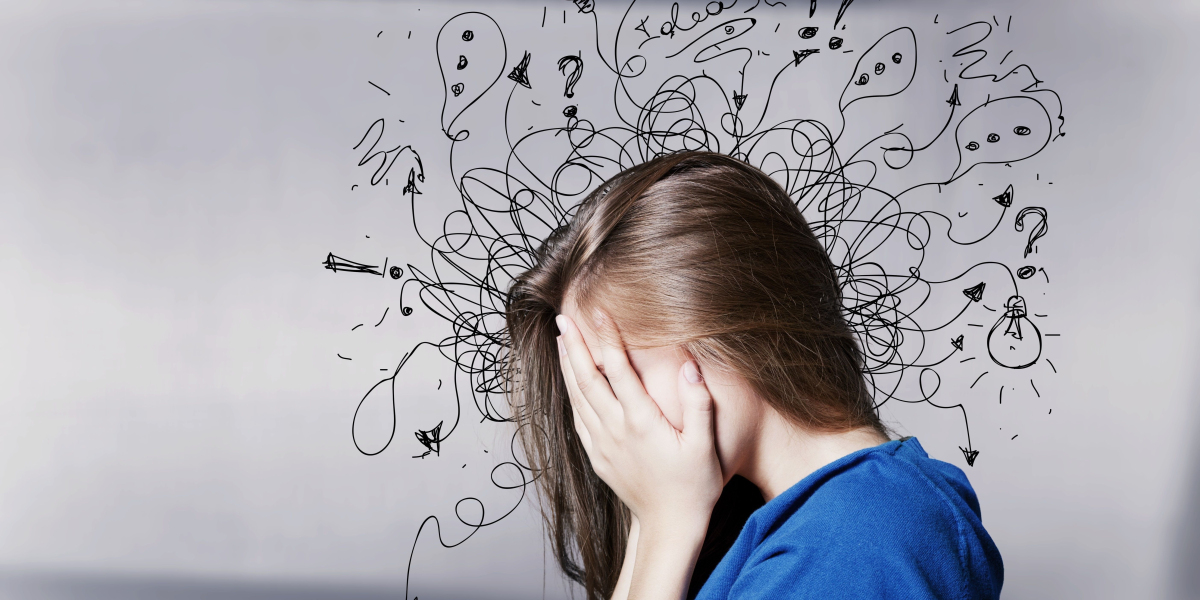
In today’s fast-paced world, anxiety has become an increasingly common challenge. Constant exposure to stressors—from work pressures to social media influences—can make it difficult to maintain emotional balance. Understanding anxiety in modern life, identifying triggers, and implementing effective relief strategies are essential for maintaining mental well-being.
Understanding Anxiety in the Modern Context
Anxiety is a natural response to stress, characterized by excessive worry, fear, and heightened alertness. While occasional anxiety is normal, chronic anxiety can interfere with personal relationships, work performance, and overall quality of life. Modern life introduces unique challenges that can exacerbate these feelings, making it crucial to recognize and address them proactively.
Common Triggers of Anxiety in Modern Life
Identifying triggers is the first step toward effective anxiety management. Common modern-day triggers include:
- Work and Career Pressures: Tight deadlines, high expectations, and job insecurity can create chronic stress that leads to anxiety.
- Digital Overload: Continuous notifications, emails, and social media exposure can overwhelm the mind and contribute to information overload.
- Financial Stress: Rising living costs, debt, and economic uncertainty are major sources of worry and fear.
- Health Concerns: Constant exposure to health-related news or personal health challenges can trigger anxiety.
- Relationship Strains: Conflicts, miscommunications, or social pressures can heighten stress levels and increase anxious thoughts.
- Environmental Factors: Noise pollution, urban congestion, and lack of access to nature can intensify feelings of unease.
Understanding these triggers allows individuals to develop targeted strategies for managing anxiety before it escalates.
Recognizing the Signs of Anxiety
Anxiety manifests physically, emotionally, and behaviorally:
- Physical Symptoms: Headaches, muscle tension, rapid heartbeat, fatigue, or digestive disturbances.
- Emotional Symptoms: Persistent worry, irritability, restlessness, or difficulty concentrating.
- Behavioral Symptoms: Avoidance of stressful situations, procrastination, or compulsive behaviors.
Awareness of these symptoms is key to timely intervention and effective coping.
Effective Strategies to Find Relief
Modern anxiety requires a combination of lifestyle adjustments, mindfulness, and professional support. Here are evidence-based strategies:
1. Mindfulness and Meditation
Mindfulness practices, such as meditation or deep-breathing exercises, help reduce overthinking and calm the nervous system. Regular practice strengthens emotional resilience and lowers stress hormone levels.
2. Physical Activity
Exercise promotes the release of endorphins and helps regulate cortisol, the stress hormone. Activities like walking, yoga, or swimming can provide both physical and emotional relief from anxiety.
3. Digital Detox
Limiting screen time and managing social media consumption can prevent information overload and reduce anxiety triggers. Scheduling specific periods for digital engagement allows the mind to rest and recover.
4. Time Management
Organizing tasks, prioritizing responsibilities, and setting realistic goals reduce the feeling of being overwhelmed. Effective time management creates structure and decreases anxiety caused by uncertainty or unfinished tasks.
5. Healthy Lifestyle Choices
Adequate sleep, a balanced diet, and limiting caffeine or alcohol intake are essential for mental health. Nutrient-rich meals support brain function and mood regulation, while proper sleep restores emotional balance.
6. Social Connection and Support
Strong social relationships provide emotional support and reduce feelings of isolation. Talking to friends, family, or joining support groups can offer perspective and reassurance during stressful times.
7. Professional Help
Persistent anxiety that interferes with daily life may require professional guidance. Therapists and psychologists can provide therapy options like Cognitive Behavioral Therapy (CBT), while psychiatrists can offer medication if necessary. Combining professional support with lifestyle adjustments often yields the best results.
Building a Personal Anxiety Relief Plan
Creating a personalized plan helps integrate anxiety management strategies into daily life:
- Identify triggers and monitor symptoms through journaling.
- Incorporate daily mindfulness or meditation sessions.
- Maintain regular exercise routines.
- Limit exposure to digital stressors and practice digital detoxes.
- Prioritize sleep and nutrition.
- Engage in social interactions and seek professional support when needed.
Consistency in applying these strategies enhances resilience and reduces the frequency and intensity of anxiety episodes.
Conclusion
Anxiety in modern life is influenced by numerous factors, including work pressures, digital overload, financial concerns, and social dynamics. By identifying triggers and implementing holistic relief strategies—ranging from mindfulness and physical activity to lifestyle adjustments and professional support—individuals can regain control over their mental health.
For expert guidance on managing anxiety effectively, visit Straight from GB for valuable resources and practical advice. Additionally, detailed insights from Anxiety in Modern Life: Identifying Triggers and Finding Relief provide actionable techniques to integrate into daily routines for lasting calmness.
Proactively addressing anxiety empowers individuals to navigate modern life with clarity, balance, and resilience.