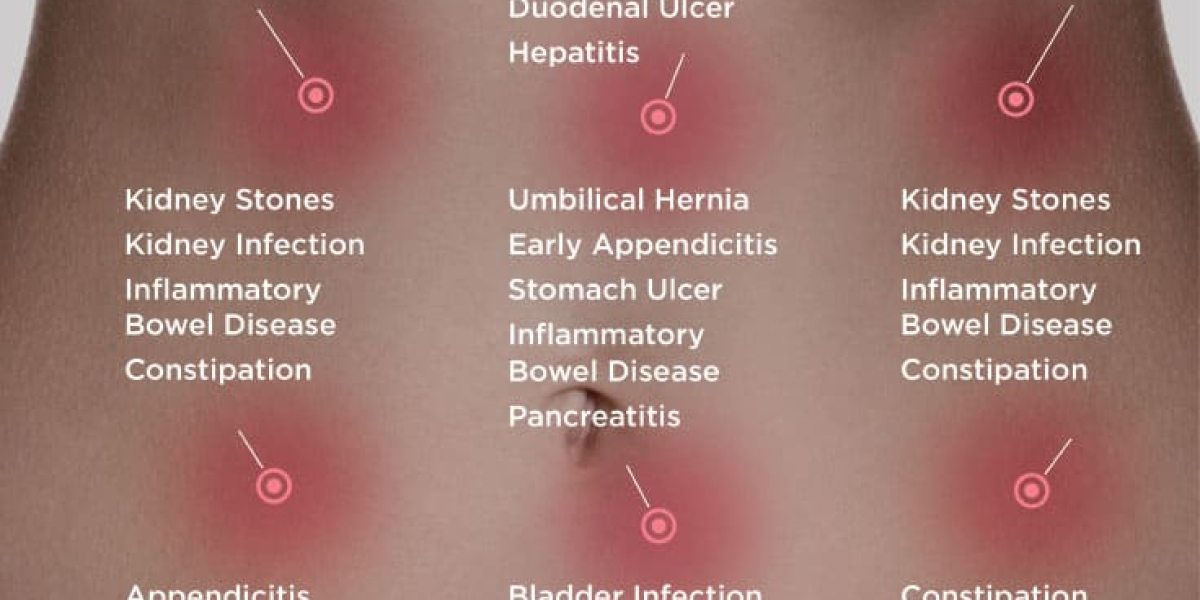
Abdominal pain is one of the most common health complaints across all age groups. It can range from a mild, short-lived discomfort to persistent or severe pain that interferes with daily life. Causes vary widely, including indigestion, gas, constipation, food intolerances, stress, infections, and, in some cases, parasitic or inflammatory conditions. While serious or ongoing abdominal pain always warrants professional medical evaluation, many mild and moderate cases can be managed effectively with home remedies.
Understanding which remedies may help and when home care is appropriate can reduce discomfort and prevent unnecessary anxiety.
Common Causes of Abdominal Pain
Before considering remedies, it is important to understand why abdominal pain occurs. Common causes include:
Indigestion or acid reflux
Gas and bloating
Constipation or irregular bowel movements
Mild food poisoning
Muscle strain
Stress or anxiety-related gastrointestinal upset
Intestinal infections or parasites
Home remedies are best suited for mild, non-urgent pain that does not involve fever, vomiting blood, unexplained weight loss, or severe tenderness.
Effective Home Remedies for Abdominal Pain
1. Warm Compress or Heating Pad
Applying gentle heat to the abdomen can help relax muscles and reduce cramping. Heat increases blood flow to the area, which may ease spasms in the intestinal or abdominal wall muscles.
Use a warm (not hot) heating pad for 15-20 minutes
Avoid sleeping with a heating pad on
Particularly useful for menstrual cramps or muscle-related pain
2. Ginger
Ginger has well-documented anti-inflammatory and digestive properties. It can help relieve nausea, gas, and stomach cramps.
Ways to use ginger include:
Ginger tea
Fresh ginger slices steeped in warm water
Small amounts of ginger added to meals
Ginger is especially helpful for pain associated with indigestion or mild gastrointestinal infections.
3. Peppermint
Peppermint relaxes smooth muscles in the digestive tract and may reduce bloating and gas. It is commonly used for irritable bowel syndrome (IBS) related abdominal pain.
Options include:
Peppermint tea
Peppermint oil capsules (used cautiously and not crushed)
Peppermint should be avoided by individuals with acid reflux, as it may worsen symptoms.
4. Hydration
Dehydration can contribute to constipation and cramping. Drinking adequate fluids supports digestion and helps stool move more easily through the intestines.
Drink water throughout the day
Warm liquids may be more soothing than cold ones
Avoid excessive caffeine and sugary beverages
Hydration is particularly important during episodes of diarrhea or mild food poisoning.
5. Dietary Adjustments
Temporary changes in diet can significantly reduce abdominal discomfort.
Helpful strategies include:
Eating small, frequent meals
Avoiding fatty, spicy, or fried foods
Reducing dairy if lactose intolerance is suspected
Limiting gas-producing foods such as beans and carbonated drinks
A bland diet consisting of rice, bananas, toast, and applesauce is often recommended during digestive upset.
6. Fiber for Constipation-Related Pain
If abdominal pain is caused by constipation, increasing dietary fiber gradually may help.
Sources of fiber include:
Fruits and vegetables
Whole grains
Oats and seeds
Fiber should be increased slowly and paired with adequate water intake to prevent worsening bloating.
7. Gentle Movement and Positioning
Light physical activity can stimulate digestion and reduce trapped gas.
Walking after meals
Gentle stretching
Lying on the left side to aid digestion
Remaining completely sedentary may worsen discomfort, especially when gas or constipation is involved.
8. Stress Reduction Techniques
Stress and anxiety are closely linked to gastrointestinal symptoms. Abdominal pain may be worsened or triggered by emotional tension.
Helpful techniques include:
Deep breathing exercises
Meditation or mindfulness practices
Yoga or progressive muscle relaxation
Managing stress can significantly improve chronic functional abdominal pain.
Abdominal Pain and Parasitic Infections
In some regions, abdominal pain may be related to intestinal parasites. While home remedies may temporarily reduce discomfort, they do not eliminate parasites. In such cases, medical treatment is required.
Medications such as mebendazole are commonly used under professional supervision for specific parasitic infections. In broader healthcare supply discussions, the term mebendazole wholesaler may appear when referring to pharmaceutical distribution channels rather than patient treatment decisions. It is important to note that medication use should always be guided by a licensed healthcare provider, not self-diagnosis or informal sourcing.
When Home Remedies Are Not Enough
While home remedies can be effective, abdominal pain should not be ignored if it:
Persists for more than a few days
Is severe or worsening
Is accompanied by fever, vomiting, or blood in stool
Occurs with unexplained weight loss
Follows abdominal injury
These signs may indicate conditions such as appendicitis, gallstones, inflammatory bowel disease, or serious infections, all of which require medical evaluation.
Key Takeaways
Home remedies are best suited for mild, short-term abdominal pain
Heat, ginger, peppermint, hydration, and dietary changes are commonly effective
Stress management plays a significant role in digestive health
Persistent or severe pain should always be evaluated by a healthcare professional
References to terms such as mebendazole wholesaler belong to healthcare supply and treatment infrastructure, not home management.
Conclusion
Abdominal pain is often manageable with simple, evidence-supported home remedies that promote digestive comfort and overall well-being. By understanding the underlying cause of discomfort and applying appropriate non-invasive strategies, many individuals can find relief without medication. However, recognizing the limits of home care is equally important. When symptoms persist or worsen, professional medical guidance is essential to ensure safe and effective treatment.
Used responsibly, home remedies can be a valuable first step in addressing abdominal pain while supporting long-term digestive health.