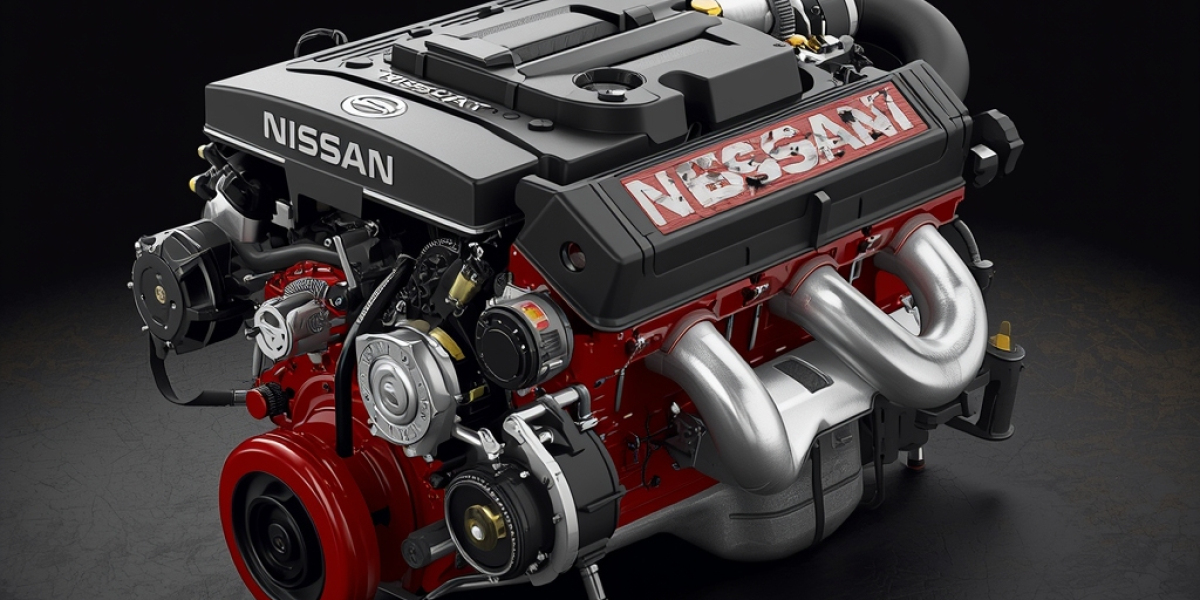
The Nissan RB26 engine is more than a mechanical assembly—it is a symbol of Japan’s golden age of performance engineering and an enduring icon of motorsport mythology. Conceived during the late 1980s, the RB26DETT was created to dominate Group A racing and debuted in the R32 Skyline GT-R, a car that would go on to redefine global perceptions of Japanese performance vehicles. From its inception, the engine was engineered not for restraint, but for dominance, precision, and longevity under extreme conditions. If you are hoping to buy one, here we have Nissan RB26 engine for sale.
At its core, the RB26 features a 2.6-liter inline-six layout anchored by a robust cast-iron block and crowned with a DOHC 24-valve aluminum head. Twin turbochargers and individual throttle bodies allowed it to breathe freely and respond instantly, while an advanced ECU managed fuel and ignition with uncommon sophistication for its era. Though officially limited to 276 horsepower, the engine’s true output and potential were widely acknowledged to surpass that figure, reinforcing its reputation as a powerplant built with intentional understatement.
What elevated the RB26 beyond mere performance statistics was its character. It delivered power smoothly yet ferociously, combining high-revving excitement with dependable torque. This balance made it equally revered on the street, track, and drag strip. Tuners soon recognized its immense strength, transforming the RB26 into a blank canvas capable of supporting enormous power figures—often exceeding 800 or even 1,000 horsepower with proper modifications.
The engine’s cultural impact is inseparable from the Skyline GT-R lineage and its global presence in racing, film, and gaming. Over time, the RB26 transcended its original chassis, becoming a centerpiece of swap culture and a declaration of mechanical purism. Even as modern engines evolve toward hybrid systems and electronic intervention, the RB26 remains an object of reverence—valued for its analog purity, visceral sound, and emotional connection.
Ultimately, the Nissan RB26 engine endures because it represents a philosophy rather than a trend. It is a testament to an era when engines were crafted with intent, resilience, and soul—an immortal fusion of steel, boost, and human obsession.