In the optical industry, even a small material flaw can lead to distorted images, light loss, and reduced system accuracy. Many manufacturers face issues like poor clarity, unwanted reflections, thermal stress, or short product lifespan. In most cases, the root cause is not the lens or coating—it is the window glass used in the optical system.
High-quality optical window glass plays a critical role in protecting components while allowing light to pass through accurately.
What Is Window Glass in the Optical Industry?
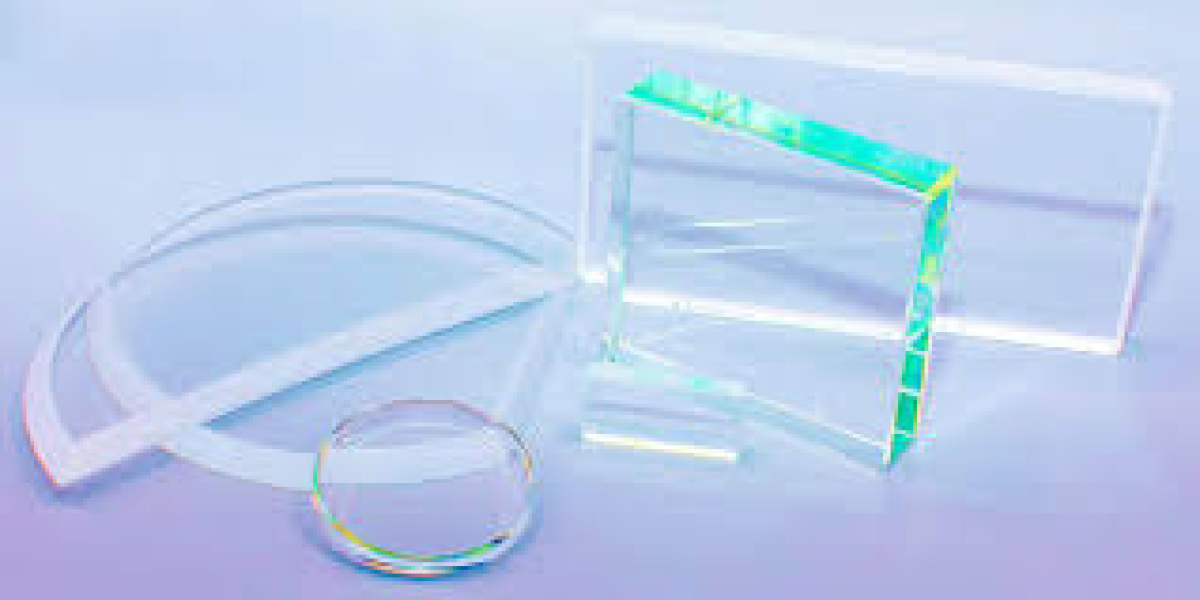
In optical applications, window glass is a flat, transparent optical component placed in front of sensors, lasers, cameras, or lenses. Its main job is to protect internal components without changing the light’s direction, wavelength, or quality.
Unlike regular glass, optical window glass is manufactured with strict control over thickness, flatness, transmission, and surface quality. This ensures reliable performance in precision systems.
Common Problems Caused by Poor Optical Window Glass
Using the wrong or low-grade window glass can create serious performance issues.
Light Distortion and Image Blur
Poor flatness or material inconsistency bends light slightly, causing blurred or inaccurate images.
Reflection Loss and Glare
Uncoated or low-quality glass reflects too much light, reducing transmission efficiency.
Thermal and Environmental Damage
Some glass types crack or warp under heat, pressure, or humidity.
Reduced Equipment Lifespan
Weak glass can fail early, exposing sensitive internal optics to dust or moisture.
These problems are costly and can damage both performance and brand reputation.
How High-Quality Window Glass Solves These Issues
High-performance optical window glass is designed to eliminate these risks.
High Light Transmission
Optical-grade materials allow maximum light to pass through with minimal loss.
Excellent Surface Flatness
This ensures light travels straight without distortion, maintaining image accuracy.
Strong Environmental Resistance
Special glass types resist heat, chemicals, and pressure, making them suitable for harsh environments.
Compatibility With Optical Coatings
Anti-reflection and protective coatings work best on precision window glass.
For demanding optical systems, choosing a reliable window glass solution is essential for stable and long-term performance.
Where Window Glass Is Commonly Used in the Optical Industry
Optical window glass is widely used across many sectors:
Laser Systems
Protects laser sources while maintaining beam quality.
Imaging and Camera Systems
Ensures clear image capture without optical distortion.
Medical Optical Devices
Used in diagnostic and surgical equipment where accuracy is critical.
Industrial and Scientific Instruments
Protects sensors and detectors in harsh operating conditions.
As optical systems become more advanced, the demand for precision window glass continues to grow.
Why Window Glass Quality Directly Impacts System Accuracy
In optical design, every component affects the final result. Even if lenses and sensors are high-end, poor window glass can limit overall system performance. High-quality glass improves signal accuracy, reduces noise, and ensures consistent results over time.
For manufacturers, this means fewer failures, lower maintenance costs, and higher customer satisfaction.
Final Thoughts
If your optical system suffers from image distortion, reflection loss, or durability issues, the problem may lie in the window glass you are using. Optical-grade window glass is not just a protective cover—it is a performance-critical component. Choosing the right material ensures clarity, reliability, and long-term success in the optical industry.