In today’s fast-paced lifestyle, stress, anxiety, and constant mental distractions have become common challenges. Whether it’s work pressure, academic demands, or personal responsibilities, the mind rarely gets a chance to slow down. One of the simplest yet most powerful tools to restore mental balance is often overlooked: breathing. The breathing exercises benefits go far beyond relaxation—they directly impact stress levels, concentration, emotional stability, and overall well-being.
This blog explores how controlled breathing works, why it is effective, and how you can easily integrate it into your daily routine.
Understanding the Science Behind Breathing
Breathing is unique because it can be both automatic and consciously controlled. This makes it a powerful bridge between the body and mind. When you feel stressed, your breathing becomes shallow and rapid, activating the sympathetic nervous system (the “fight or flight” response). However, when you practice slow and intentional breathing, the parasympathetic nervous system activates, signaling the body to relax.
This biological shift explains how breathing exercises reduce stress at a neurological level. Heart rate slows, blood pressure stabilizes, muscle tension decreases, and the mind becomes calmer. Over time, regular practice can even re-train the body’s stress response.
Breathing Exercises for Stress: A Natural Calm for the Mind
One of the most recognized breathing exercises benefits is stress reduction. Stress often accumulates when the mind feels overwhelmed or out of control. Practicing breathing exercises for stress helps bring awareness back to the present moment.
When you focus on your breath, your mind disengages from negative thought loops. This mindful shift reduces cortisol (the stress hormone) and improves emotional regulation. Techniques such as slow inhalation, extended exhalation, and rhythmic breathing patterns help calm the nervous system almost instantly.
In moments of anxiety—before an exam, during a conflict, or under work pressure—using stress relief breathing techniques can provide immediate grounding and mental clarity.
How Deep Breathing Exercises Improve Mental Focus
Mental focus is often disrupted by digital distractions, multitasking, and mental fatigue. Practicing deep breathing exercises enhances oxygen flow to the brain, improving cognitive performance. More oxygen means better concentration, sharper memory, and improved decision-making.
Regular practice of breathing exercises for focus also strengthens attention span. By training your mind to stay anchored to your breath, you develop greater control over wandering thoughts. This makes breathing techniques especially beneficial for students, professionals, and anyone engaged in intellectually demanding tasks.
People who practice breathing consistently often report improved productivity, better clarity of thought, and reduced mental clutter.
The Link Between Breath and Emotional Balance
Emotions and breathing patterns are deeply interconnected. When you feel angry, your breath becomes fast and shallow. When you feel calm, your breathing naturally slows. The reverse is also true—changing your breathing pattern can change your emotional state.
This is another reason why the breathing exercises benefits extend beyond physical relaxation. Practicing intentional breathing promotes emotional resilience, reduces irritability, and supports better mood stability. Over time, individuals become more self-aware and emotionally balanced.
Breathing Exercises Before Sleep for Better Rest
Sleep problems are increasingly common due to overthinking, screen exposure, and mental overload. Practicing breathing exercises before sleep can significantly improve sleep quality.
Slow breathing signals the body that it is safe to relax. It reduces mental chatter, slows the heart rate, and prepares the nervous system for rest. Many people who struggle with insomnia find that simple breathing routines help them fall asleep faster and wake up feeling more refreshed.
Incorporating breathing into your nighttime routine is one of the most effective natural methods for improving sleep hygiene.
Simple Stress Relief Breathing Techniques You Can Try
You don’t need complicated routines to experience the breathing exercises benefits. Here are a few effective techniques that are easy for beginners:
1. Box Breathing
Inhale for four seconds, hold for four, exhale for four, and hold again for four. This structured rhythm is excellent for breathing exercises for stress and calming anxiety.
2. 4-7-8 Breathing
Inhale for four seconds, hold for seven, and exhale for eight. This technique is widely used as part of breathing exercises before sleep because it deeply relaxes the nervous system.
3. Diaphragmatic Breathing
Place your hand on your abdomen and breathe deeply so your belly rises and falls. This is one of the most effective deep breathing exercises for full-body relaxation.
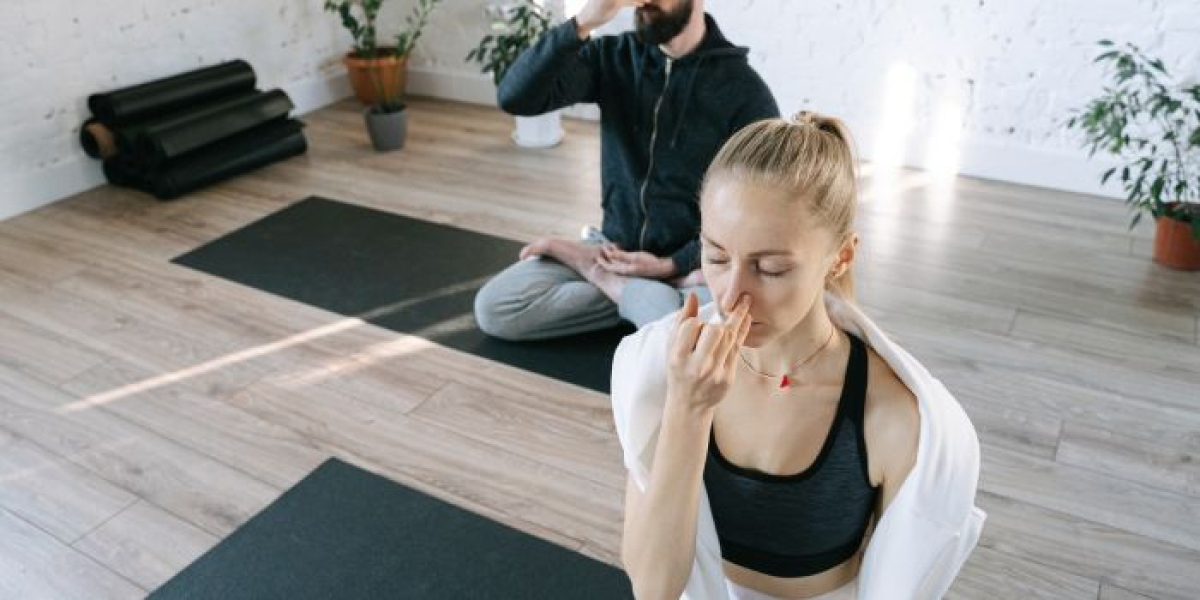
4. Alternate Nostril Breathing
This yogic technique balances both hemispheres of the brain, making it useful for breathing exercises for focus and emotional stability.
These stress relief breathing techniques can be practiced anywhere—at your desk, in traffic, before meetings, or during study sessions.
How Breathing Exercises Support Long-Term Mental Health
Short-term relaxation is helpful, but the real power of breathing lies in consistency. Over time, regular practice strengthens the nervous system, improves stress tolerance, and builds emotional resilience. People who maintain a breathing routine often experience fewer anxiety symptoms, better emotional regulation, and improved self-awareness.
The long-term breathing exercises benefits also include improved heart health, better digestion, reduced muscle tension, and enhanced energy levels. It becomes not just a coping tool but a lifestyle habit that supports holistic wellness.
Incorporating Breathing into Daily Life
You don’t need to dedicate hours to practice. Even five to ten minutes daily can make a significant difference. You can integrate breathing exercises for focus during work breaks, practice deep breathing exercises during morning routines, and use breathing exercises before sleep as part of your nighttime ritual.
Start with small moments:
- Take three deep breaths before opening your laptop
- Use slow breathing during stressful conversations
- Practice calming breathing while commuting
- End your day with gentle breathing exercises
These small habits gradually create powerful mental shifts.
Why Breathing Is the Most Accessible Wellness Tool
Unlike many wellness practices that require equipment, time, or cost, breathing is always available. It requires no special training and can be practiced anywhere. This accessibility makes the breathing exercises benefits especially valuable in modern lifestyles.
Whether you are a student managing exam pressure, a professional navigating deadlines, or someone seeking emotional balance, breathing exercises provide a simple yet effective solution.
Conclusion
Breathing is more than just a biological function—it is a powerful tool for mental clarity, emotional balance, and physical relaxation. Understanding how breathing exercises reduce stress allows you to take control of your mental well-being using a natural method that is always within reach.
By practicing breathing exercises for stress, using breathing exercises for focus, incorporating deep breathing exercises into your routine, and applying breathing exercises before sleep, you can transform your daily experience. The journey begins with something as simple as a breath—but its impact can be life-changing.