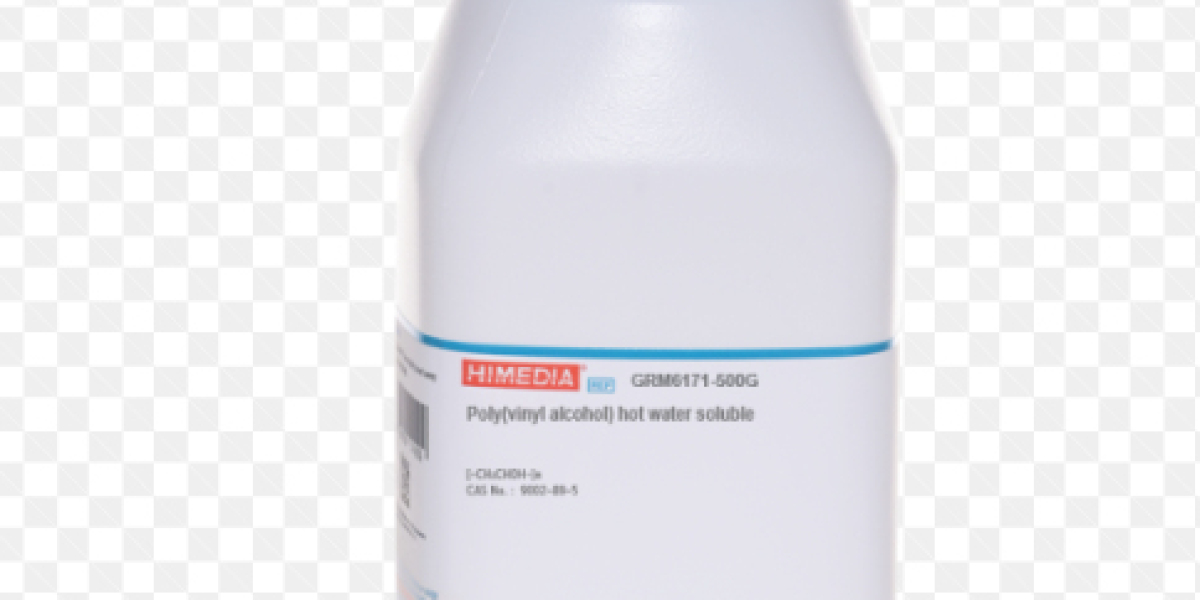
Modified polyvinyl alcohol has emerged as a highly versatile and high-performance polymer used across a wide range of industries. While conventional polyvinyl alcohol (PVA) is known for its water solubility, film-forming ability, and non-toxic nature, modified versions are engineered to deliver enhanced properties such as improved water resistance, flexibility, adhesion, and chemical stability. These improvements make modified polyvinyl alcohol an essential material for advanced industrial formulations.
What Is Modified Polyvinyl Alcohol?
Modified polyvinyl alcohol is produced by chemically or physically altering standard PVA to achieve specific functional characteristics. These modifications may involve copolymerization, partial acetalization, grafting, or controlled changes in molecular weight and degree of hydrolysis. The result is a polymer that retains the beneficial features of PVA while offering improved performance tailored to demanding applications.
By adjusting its molecular structure, modified polyvinyl alcohol can be optimized for compatibility with various substrates, additives, and processing conditions.
Key Properties of Modified Polyvinyl Alcohol
One of the primary advantages of modified polyvinyl alcohol is its controlled water solubility. Unlike conventional PVA, which dissolves readily in water, modified grades can be designed to resist moisture while maintaining processability.
It also exhibits excellent film-forming properties, producing smooth, transparent, and durable films. These films demonstrate high tensile strength, flexibility, and resistance to cracking, even under fluctuating environmental conditions.
Another important property is strong adhesion. Modified polyvinyl alcohol bonds effectively with materials such as paper, wood, ceramics, textiles, and certain plastics. Additionally, its chemical stability allows it to perform reliably in coatings, adhesives, and composite systems.
Industrial Applications of Modified Polyvinyl Alcohol
Modified polyvinyl alcohol is widely used in adhesives, where it enhances bonding strength and durability. Its compatibility with water-based systems makes it ideal for low-VOC and environmentally friendly adhesive formulations.
In the packaging industry, it is used to improve oxygen and oil barrier properties, especially in multilayer films and coatings. These characteristics help extend product shelf life, particularly in food and pharmaceutical packaging.
The construction industry benefits from modified polyvinyl alcohol as a binder and performance enhancer in cementitious products, tile adhesives, and mortars. It improves workability, adhesion, and crack resistance.
In textiles, modified polyvinyl alcohol is applied in sizing and finishing processes. It increases yarn strength during weaving while remaining easy to remove in later processing stages.
The material is also widely used in ceramics and powder metallurgy, where it functions as a water-soluble binder that provides high green strength and clean burnout during firing.
Advantages Over Conventional Polyvinyl Alcohol
Compared to standard PVA, modified polyvinyl alcohol offers superior performance in moisture-sensitive environments. Conventional PVA may weaken or dissolve when exposed to humidity, whereas modified grades maintain structural integrity.
Its enhanced flexibility reduces brittleness, while improved chemical resistance allows for use in more aggressive processing conditions. These advantages make modified polyvinyl alcohol suitable for high-value and technical applications.
Sustainability and Environmental Benefits
Modified polyvinyl alcohol supports sustainable manufacturing practices. Being compatible with water-based systems, it reduces the need for organic solvents and lowers VOC emissions. Many modified PVA grades are also biodegradable under controlled conditions, making them attractive for eco-conscious industries.
Its durability and efficiency help reduce material waste and extend product life cycles, contributing to environmental responsibility.
Conclusion
Modified polyvinyl alcohol is a powerful evolution of traditional PVA, offering enhanced water resistance, flexibility, adhesion, and durability. With applications spanning adhesives, packaging, construction, textiles, and ceramics, it plays a critical role in modern industrial innovation. As industries continue to demand high-performance and sustainable materials, modified polyvinyl alcohol stands out as a reliable and future-ready polymer solution.