
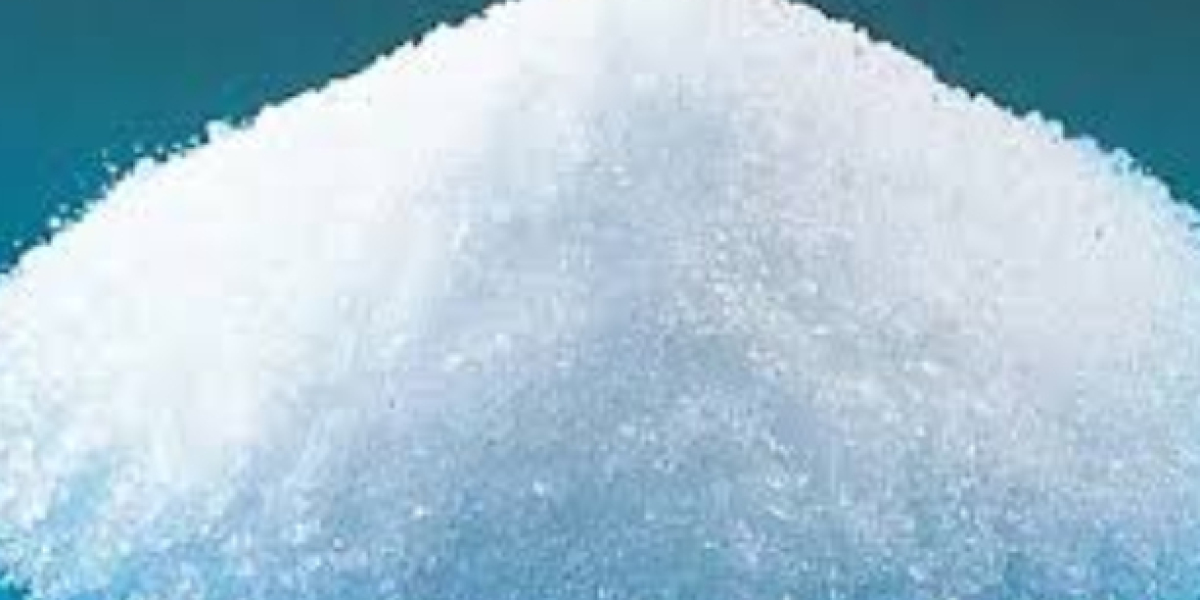
PVA (Polyvinyl Alcohol) is a synthetic, water-soluble polymer widely used across industries due to its exceptional versatility, safety, and performance characteristics. Known for its strong film-forming ability, excellent adhesion, and environmental compatibility, PVA has become an essential material in applications ranging from packaging and textiles to construction, ceramics, and pharmaceuticals.
What Is PVA?
PVA is a synthetic polymer produced through the hydrolysis of polyvinyl acetate. Unlike many synthetic plastics, PVA is unique because it is water-soluble, non-toxic, and biodegradable under appropriate conditions. Its chemical structure allows it to form strong hydrogen bonds, giving it excellent mechanical strength and adhesion properties.
By adjusting factors such as molecular weight and degree of hydrolysis, manufacturers can produce different grades of PVA tailored to specific industrial needs.
Key Properties of PVA
One of the most important characteristics of PVA is its excellent film-forming capability. PVA films are transparent, flexible, and resistant to oils and greases, making them suitable for protective coatings and packaging applications.
PVA also exhibits strong adhesive properties, bonding well to porous and non-porous surfaces such as paper, wood, textiles, ceramics, and metals. Its high tensile strength and flexibility help maintain durability even under mechanical stress.
Another notable property is chemical stability. PVA performs well in a wide range of temperatures and pH conditions, allowing it to be used in demanding industrial processes.
Industrial Applications of PVA
PVA is widely used in the adhesives industry, especially in water-based glues for paper, wood, and packaging. Its eco-friendly nature supports the growing demand for low-VOC and solvent-free formulations.
In the textile industry, PVA is used as a sizing agent to strengthen yarns during weaving. It improves efficiency in textile production while remaining easy to remove during finishing processes.
The construction sector relies on PVA as a binder and performance enhancer in cement, mortars, tile adhesives, and plasters. It improves workability, adhesion, and crack resistance, contributing to longer-lasting structures.
In ceramics and powder metallurgy, PVA acts as a water-soluble binder that provides high green strength and clean burnout during firing, ensuring defect-free final products.
PVA is also used in packaging, especially in water-soluble films for detergents, agrochemicals, and single-use products. These applications help reduce plastic waste and support sustainable packaging solutions.
Advantages of Using PVA
One of the main advantages of PVA is its environmental compatibility. It works efficiently in water-based systems and reduces reliance on organic solvents. Many PVA grades are biodegradable and safe for controlled environmental exposure.
PVA also offers formulation flexibility. It can be blended with other polymers, plasticizers, or fillers to achieve desired properties such as increased flexibility, water resistance, or strength.
From a manufacturing perspective, PVA improves process efficiency by providing consistent performance, reducing waste, and enhancing product quality.
PVA vs Other Synthetic Polymers
Compared to many synthetic polymers, PVA stands out for its balance of performance and sustainability. While some plastics offer high strength or durability, they may lack environmental friendliness. PVA bridges this gap by delivering reliable mechanical properties while remaining compatible with green manufacturing goals.
Its water solubility and non-toxic nature make it especially suitable for applications where safety and environmental impact are critical.
Future Outlook of PVA
As industries continue to shift toward sustainable materials, the demand for PVA is expected to grow. Innovations in modified and specialty PVA grades are expanding its applications into high-barrier packaging, biomedical materials, and advanced coatings.
With ongoing research and development, PVA will continue to play a vital role in shaping eco-friendly and high-performance industrial solutions.
Conclusion
PVA is a highly adaptable polymer that combines strength, versatility, and sustainability. Its wide range of applications across adhesives, textiles, construction, ceramics, and packaging highlights its importance in modern industry. As the focus on environmentally responsible materials intensifies, PVA remains a trusted and future-ready solution for diverse industrial needs.