
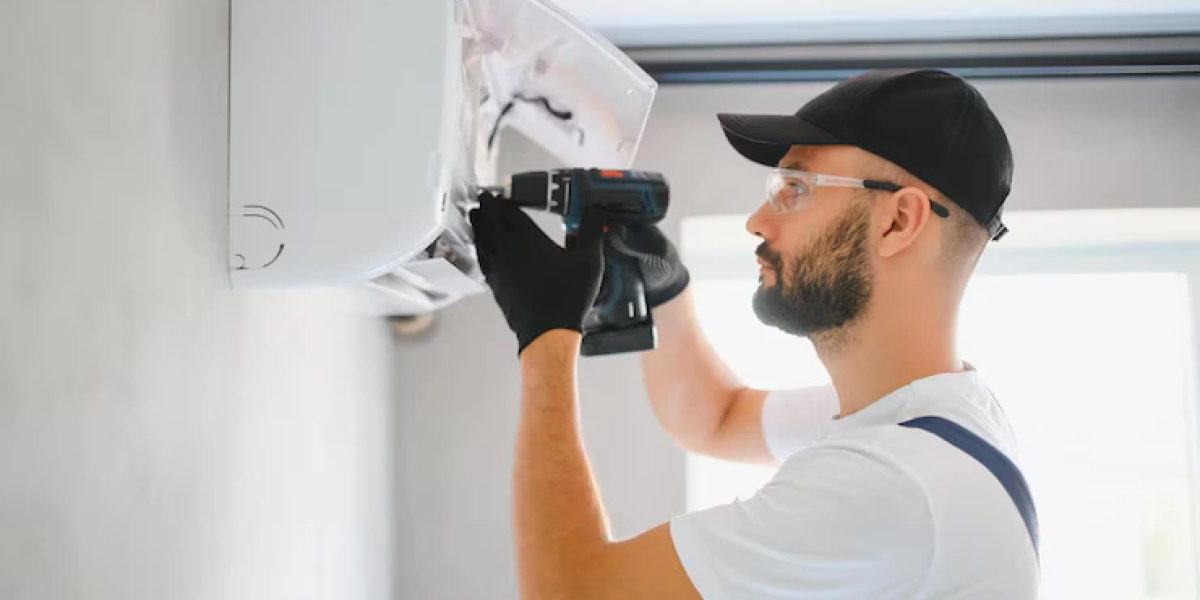
As summer temperatures soar, a malfunctioning air conditioner can quickly turn your home into an uncomfortable environment. Before calling a technician, it’s important to perform a few simple checks. Not only can this save you time and money, but it can also help identify minor issues that may not require professional intervention. In this guide, we’ll walk you through the key areas to inspect and actions to take before scheduling an aircon service.
1. Check the Power Supply
One of the simplest causes of AC problems is a disruption in the power supply. Start by ensuring that your unit is properly plugged in and that the circuit breaker hasn’t tripped. Some units have a dedicated switch nearby that controls the AC—make sure it’s in the “on” position.
If the breaker keeps tripping, it may indicate a more serious electrical issue within the AC or your home’s wiring. In such cases, it’s safer to call a professional rather than attempting a DIY fix.
2. Inspect the Thermostat Settings
Before assuming the AC itself is faulty, check the thermostat. Make sure it’s set to the desired temperature and that it’s in cooling mode. If your thermostat is battery-operated, low battery power can interfere with its ability to regulate the system. Replacing batteries is a quick and easy fix that could resolve your problem immediately.
Additionally, if your thermostat is programmable or smart, verify that it hasn’t been accidentally set to a schedule that keeps the system off or at higher temperatures during certain periods.
3. Examine Air Filters
Clogged or dirty air filters are among the most common causes of reduced AC efficiency. When filters are blocked, airflow is restricted, forcing the system to work harder and potentially causing uneven cooling or strange noises.
Remove the filter and inspect it. If it looks dusty or dirty, replace it with a new one. Most residential filters should be replaced every 1–3 months, depending on usage and the presence of pets or allergens. Even a clean filter can improve efficiency and reduce wear on your system.
4. Inspect Air Vents and Ducts
Airflow problems can also stem from blocked or closed vents. Walk through your home and make sure all vents are open and unobstructed by furniture, rugs, or curtains.
If some rooms are cooler than others, the issue may lie in the ductwork. While minor blockages can sometimes be fixed by clearing dust or debris near accessible vents, deeper issues like leaks or damage in the ducts will require a professional technician.
5. Check the Outdoor Unit
The outdoor condenser unit is critical for proper cooling. Over time, leaves, dirt, and debris can accumulate around or inside it, affecting performance. Before calling a technician, inspect the area around the unit and remove any obstructions.
While performing this check, ensure the unit’s fan can spin freely. If the fan is jammed or the coils appear damaged, it’s a sign that professional attention is needed. Regular cleaning of the condenser unit can prevent many common AC problems and extend its lifespan.
6. Listen for Unusual Noises
AC systems often give audible clues about what might be wrong. Rattling, squealing, or banging noises can indicate loose components, worn belts, or other internal issues. Hissing or gurgling sounds may signal refrigerant leaks or problems with the compressor.
While some minor noises can be caused by debris in the system or loose panels, persistent or unusual sounds typically require professional evaluation. Documenting the type and timing of these noises can help a technician diagnose the problem more efficiently.
7. Monitor for Leaks or Moisture
Leaks around the AC unit, particularly near the indoor evaporator, are a clear warning sign. Water accumulation could be due to a clogged condensate drain line or a frozen evaporator coil.
Check for visible water or ice, and note any unusual dampness on walls or ceilings near vents. Addressing leaks early can prevent water damage and mold growth. If the issue persists after clearing minor blockages, calling an aircon service is the safest option.
8. Consider the Age of Your System
The age of your AC unit can also affect its performance. Most residential systems last between 10 and 15 years. If your unit is older and experiencing frequent issues, it may be more cost-effective to consider a replacement rather than repeated repairs.
Even with regular maintenance, older units can lose efficiency and struggle to maintain desired temperatures. A professional can evaluate whether repair or replacement is the better long-term solution.
9. Observe Energy Usage
A sudden spike in your electricity bill can indicate that your AC is working harder than it should. Reduced efficiency can be caused by clogged filters, dirty coils, or failing components.
Before calling a technician, take note of recent energy bills and any unusual changes in usage patterns. Providing this information to a professional can help pinpoint underlying issues and allow for more accurate troubleshooting.
10. Evaluate Recent Changes
Sometimes, issues arise due to changes in the home environment rather than a mechanical failure. For instance, adding new windows, installing insulation, or rearranging furniture can affect airflow.
Consider whether any recent modifications could be contributing to your AC problems. Understanding these factors can help a technician focus on the most likely causes during a service visit.
11. Perform a Quick Test Run
After checking power, filters, vents, and the outdoor unit, run your AC for a short period. Observe whether it cools effectively, note any noises, and watch for abnormal airflow.
Documenting these observations before a technician arrives can save time and help ensure an accurate diagnosis. Simple troubleshooting often clarifies whether a minor issue can be resolved without professional intervention.
12. Know When to Call a Professional
Despite your best efforts, some problems require expert attention. Persistent noise, refrigerant leaks, electrical issues, or compressor problems are not safe to handle without specialized training.
A licensed professional can perform a thorough inspection, identify hidden problems, and ensure repairs are done safely. Scheduling a reliable aircond service is the best way to restore optimal performance and prevent further damage.
Conclusion
Before calling a technician for AC problems, taking a few minutes to check the basics can save time, reduce costs, and sometimes resolve the issue entirely. Start with the power supply, thermostat, and air filters. Inspect vents, ducts, and the outdoor unit. Listen for unusual noises, monitor for leaks, and consider the age of your system. Observing energy usage and recent changes in your home can also provide valuable insights.
By performing these checks, you ensure that when a professional technician is needed, they can focus on the root cause quickly and efficiently. Remember, even with minor issues, regular preventive maintenance through an aircon service helps extend the life of your system, keeps it running efficiently, and ensures your home stays cool when you need it most.