
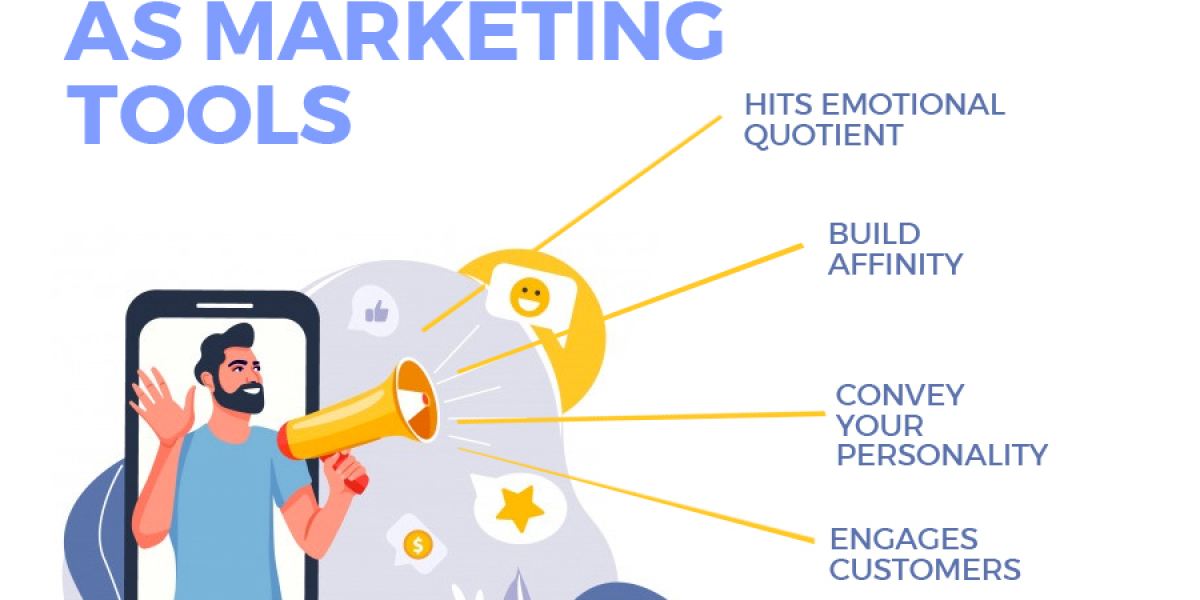
Storytelling isn’t just a creative art it’s one of the most powerful marketing tools available to authors today. In an increasingly competitive publishing world, readers don’t simply buy books; they buy into stories, personalities, and experiences. Authors who master the art of storytelling beyond their manuscripts can turn their brand into a compelling narrative that attracts loyal readers, boosts engagement, and drives long-term success. Understanding how to use storytelling strategically can transform an author’s marketing approach and help their name become synonymous with authenticity and connection.
In 2025, where readers are constantly exposed to thousands of new titles, standing out requires more than a good book it requires emotional connection. Storytelling gives authors a way to communicate their journey, purpose, and passion in a relatable way. Whether shared through social media, blogs, interviews, or newsletters, these personal stories humanize authors and create a deeper bond with their audience. It’s no longer just about selling books; it’s about inviting readers into a world where the author’s values, experiences, and creative vision come alive.
The Psychology of Storytelling in Author Branding
At its core, storytelling taps into the psychology of human emotion. People remember stories far longer than they remember facts or promotions. For authors, this is an invaluable insight. By using storytelling as part of their marketing strategy, they can influence how readers perceive their books and brand. For instance, an author writing historical fiction might share the personal inspiration behind their settings or the challenges of researching specific eras. These behind-the-scenes glimpses make readers feel like insiders, deepening their investment in both the author and their work.
Moreover, storytelling fosters trust. When readers hear about an author’s struggles, rejections, or breakthroughs, they see authenticity. This honesty is vital in a digital era where audiences crave real connections. Authors who openly share their creative process, inspiration, or even self-doubt often create a stronger brand presence than those who simply promote their books. Storytelling bridges the emotional gap between creators and consumers.
Building a Narrative That Reflects Your Brand Identity
Successful author branding through storytelling starts with clarity. Authors must define what makes their voice and message unique. Is it resilience, humor, hope, or curiosity? Once this core identity is established, it becomes the foundation for all marketing communication. Every story shared whether a tweet, a blog post, or a podcast interview should reinforce this identity. Over time, consistent storytelling builds recognition and trust.
It’s also essential to align storytelling with readers’ emotions and values. A brand story that resonates feels personal, not promotional. For example, an author who writes fantasy novels could talk about how imagination helped them escape life’s challenges. A romance writer might discuss real-life experiences that shaped their understanding of love and connection. The key is to show authenticity while linking these personal narratives to the themes within their books.
At this stage, guidance from established Top Book Publishers can be extremely valuable for new authors. These publishers understand how a strong personal brand enhances marketing potential and can offer insights into creating cohesive author identities. They help writers identify what resonates most with their target audience and how to weave personal storytelling seamlessly into their promotional strategies without overshadowing the book itself.
Integrating Storytelling into Digital Marketing
Today’s digital tools make storytelling more interactive than ever. Social media platforms allow authors to share snippets of their creative journeys daily, keeping followers engaged. Instagram, YouTube, and TikTok have become storytelling hubs where authors can share book trailers, behind-the-scenes moments, or readings from upcoming releases. These formats bring the author closer to their audience and allow readers to feel part of the creative process.
Email newsletters are another effective channel. Instead of merely announcing new releases, authors can use emails to tell short stories about their writing experiences, inspirations, or lessons learned. This personal approach makes readers anticipate each message, turning newsletters into an ongoing dialogue rather than a marketing broadcast. Storytelling on blogs also allows authors to expand on topics that align with their book themes, subtly reinforcing their brand identity.
Podcasts and interviews offer yet another storytelling platform. By discussing writing challenges, creative breakthroughs, or personal anecdotes, authors can connect with audiences on a more intimate level. This authenticity helps convert casual listeners into loyal readers who value the person behind the book.
How Storytelling Strengthens Reader Loyalty
When readers feel emotionally connected to an author’s story, they become advocates rather than one-time buyers. Storytelling helps cultivate this loyalty by building a sense of community. When authors invite readers to share feedback, fan art, or interpretations of their work, they transform marketing into engagement. This two-way storytelling approach makes readers feel heard and valued.
Furthermore, a consistent narrative strengthens recognition. Readers who see recurring themes across an author’s online presence such as perseverance, creativity, or empowerment begin to associate those traits with the author’s name. Over time, this consistency turns into brand loyalty. Storytelling, therefore, becomes more than just promotion; it’s the heartbeat of relationship-building.
Another advantage of storytelling-driven marketing is longevity. While ads or promotional campaigns are short-term, a well-built narrative lasts. Authors who craft a compelling story about their journey continue to attract interest even between releases. Readers remain invested not only in the books but in the author’s growth and evolution.
Practical Tips for Using Storytelling in Author Marketing
To effectively use storytelling in branding, authors can follow a few essential practices:
Identify a Core Message: Define the emotional or thematic thread that ties your work and personality together.
Be Authentic: Readers can sense exaggeration. Honest, relatable stories resonate best.
Create Emotional Arcs: Just like in fiction, your brand story should have moments of challenge and triumph.
Use Multiple Formats: Experiment with videos, blogs, visuals, and live events to tell your story in diverse ways.
Engage Readers: Encourage fans to share how your stories impact them, and respond genuinely.
Maintain Consistency: Align storytelling tone across all platforms social media, website, and author bios.
Each element contributes to a cohesive and memorable author brand that stands out in the crowded literary marketplace.
Conclusion
In the evolving landscape of 2025, storytelling is no longer optional it’s essential. For authors, it’s the bridge between creativity and connection, between their books and their readers. By using storytelling as a marketing tool, authors can humanize their brand, deepen engagement, and turn casual readers into lifelong supporters. Whether you’re an emerging writer or an experienced author, learning to communicate your journey, struggles, and inspirations authentically will elevate your marketing strategy and set your brand apart. The most successful authors are not just storytellers in their books they are storytellers of their own brand.